The queen of India's hill stations
Location Circuits
Location Interest
Location How Many Days
Location Group
Location Content
Text Body
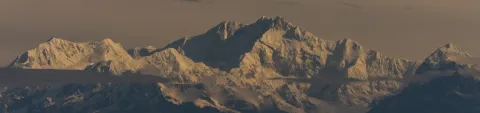
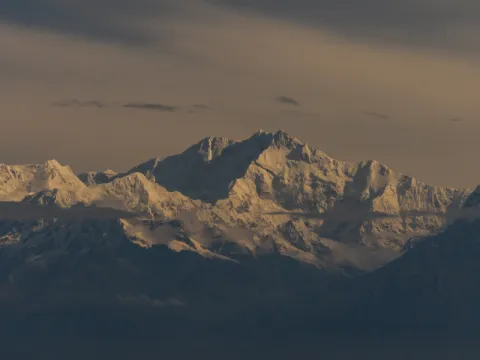
Perched at 2,042m in the Lesser Himalayas, Darjeeling is a hill station that enchants visitors with its colonial charm, terraced tea gardens and stunning views of Kanchenjunga, the world's third-highest peak. This former British summer retreat has evolved into one of India's most beloved mountain destinations, where Buddhist monasteries sit alongside Victorian architecture and the aroma of world-famous tea fills the crisp mountain air.
Title
History and Culture
Is Background Visible
Off
Location Information Items
Location item element
Section Title
Top Sights and Experiences
Text Body
Getting There
By Air: The nearest airport is Bagdogra (90km, 3-4 hours), with connections to Delhi, Kolkata and other major cities.
By Train: New Jalpaiguri (NJP) railway station (88km, 3-4 hours) connects to major Indian cities. The iconic Darjeeling Himalayan Railway (toy train), which runs from NJP to Darjeeling, is an unhurried and long joy ride. Shorter stints from Darjeeling would be more preferable for those on a schedule.
By Road: Shared jeeps from Siliguri (3 hours) depart frequently. Private taxis, also readily available, are more expensive.
Getting Around
Darjeeling's steep, winding roads make walking the primary mode of transport in the town centre. Taxis are available for longer distances. The toy train offers scenic joyrides. Most attractions are within walking distance, though the hills demand decent fitness levels.
What to Eat
Darjeeling's food scene is a mix of colonial nostalgia and hearty Himalayan fare.
Keventers: Iconic heritage café serving hearty English breakfasts with unbeatable Kanchenjunga views. Arrive early for window seats.
Glenary's: Colonial-era bakery and restaurant perfect for cakes, pastries and continental fare. The upstairs bar has live music on weekends.
Local Food: Don't leave without trying Tibetan staples. Tiny, no-frills eateries around the Mall and Chowk Bazaar serve steaming momos (dumplings) and thukpa (hearty noodle soup), the perfect antidote to the mountain chill.
Must-try Dishes
- Darjeeling-style Aloo Dum / Aloo Mimi (a cult local snack).
- Sel Roti (festive ring bread; a Darjeeling-region “culinary delight”).
- Gundruk (fermented leafy greens; soup/pickle/side).
- Kinema (fermented soybean preparation, common in the eastern Himalaya food belt).
- Thenthuk (hand-pulled noodle soup from Tibetan cuisine, common across the hills).
What to Buy
Bhutia Market / Mall Market: a treasure trove for woollens, winter caps, shawls and small souvenirs. Remember, bargaining is part of the game.
Chowk Bazaar (Lower Bazaar): where locals shop for produce, spices and daily-life Darjeeling. Go hungry and snack as you wander.
Handicrafts: Darjeeling’s crafts reflect Tibetan, Gorkha and Lepcha influences: carpets, woollens, wood/bamboo work and more.
Practical Tips
Peak-season scheduling: Darjeeling is small, steep and wildly popular, so in peak weeks, the Siliguri–Darjeeling drive can stretch far beyond the usual time due to traffic bottlenecks. Start transfers early, keep snacks/water handy and avoid scheduling a tight same-day train/flight connection.
Monsoon and landslide disruption: In the rainy months, landslides can disrupt road travel and sometimes even heritage rail services. Build flexibility into your plan (an extra buffer day helps) and check local conditions before committing to long transfers.
Altitude and Cold-Weather Game Plan: Darjeeling’s altitude is enough to make some travellers feel a little breathless on steep climbs, especially on day one. Take it easy your first afternoon, hydrate and save your most stair-heavy walks for subsequent days.
In monasteries, dress modestly, keep voices low and ask before photographing monks or prayer rituals.
Best Time to Visit
Spring (March to June): The first peak season. The weather is pleasant and the skies are often clear, though occasional haze can obscure the mountains.
Autumn (October to November): The second peak season and arguably the best. The monsoon has washed the air clean, offering crystal-clear, guaranteed views of Kanchenjunga. The weather is crisp and cold.
Avoid (July to September): The monsoon season. Heavy, persistent rain can cause landslides and the mountains are almost permanently hidden by clouds.
Title
Things to Know
Is Background Visible
Off
Location Images
Image
Location Banner Image
Image