A riverside haven for birdwatching, nature and open skies
Location Circuits
Location Interest
Location How Many Days
Location Group
Location Content
Text Body
Forget the frenetic energy of Kolkata or the crowded malls of Siliguri. Gajoldoba is where the plains take a deep breath before leaping up into the Himalayas. Known officially by the poetic moniker "Bhorer Alo" (Light of the Dawn), this massive reservoir formed by the Teesta Barrage is a wetland wonderland.
Here, the water is glass-still, the Kanchenjunga floats on the horizon like a hallucination, and the silence is broken only by the flutter of thousands of migratory wings. It is raw, relatively unpolished, and undeniably magical.
Why Go?
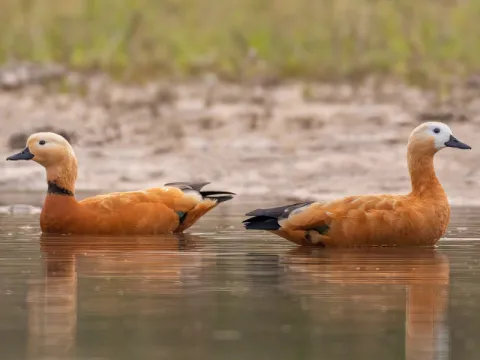
Ornithological Opera: In winter, the reservoir turns into a global conference for birds. From Central Asia to Ladakh, feathered travellers descend here in the thousands.
The “Shikara” Experience: Local fishermen double as guides, poling slender wooden boats through the wetlands in a scene that rivals Kashmir’s Dal Lake (minus the hawkers).
Mountain Magic: On a clear day, the snow-capped Mt. Kanchenjunga provides a backdrop so perfect it looks photoshopped.
Title
History and Culture
Is Background Visible
Off
Location Information Items
Location item element
Section Title
Top Sights and Experiences
Text Body
Getting There
By Air: Bagdogra Airport (IXB) is 30km away, approximately 45 minutes by taxi. This is the most convenient option for international visitors or those coming from major Indian cities.
By Train: New Jalpaiguri Junction (NJP) is 25km away, well connected to Kolkata, Delhi, and other major cities. Shared autos and taxis are readily available outside the station.
By Road: From Siliguri, take the Ambari Canal Road and then move on to Gajoldoba road. The journey takes about 40-50 minutes. The route is scenic, with a narrow tributary of the Teesta running parallel to the road for much of the journey.
Driving from Kolkata: 600km, approximately 12-14 hours. Consider breaking the journey at Malda or Raiganj.
Getting Around
The area is best explored with your own vehicle or hired taxi. Electric autos (locally called “totos”) are available for short hops. Bicycles can sometimes be arranged through your accommodation for exploring the immediate vicinity.
What to Eat
Local Fresh Fish
For lunch, enjoy the local catch from fishermen cooked fresh right in front of you. This is an authentic Gajoldoba experience. Local warungs and dhabas near the barrage will prepare fresh river fish (rohu, katla) in Bengali style, with mustard, in jhol (curry), or simply fried with local spices.
The Must-Eat: Boroli Fish – Known as the “Prince of the Teesta,” this small, sweet-water fish is a culinary obsession in North Bengal. Have it fried or in a mustard gravy (shorsher jhol).
Practical Tips
Money: Carry sufficient cash. While some resorts accept cards, ATMs are limited and often run out during weekends. The nearest reliable ATMs are in Oodlabari or you'll need to go to Siliguri.
Internet & Mobile: Coverage can be patchy, especially in forest areas. BSNL and Jio generally work better than other networks. Resort wifi exists but don't rely on it for streaming or video calls.
Health & Safety
- Malaria and dengue are present, especially during/after monsoons. Use mosquito repellent religiously.
- Carry basic first aid kit and any prescription medications.
- Nearest proper hospital is in Siliguri (30km).
- Forest areas: never venture alone, stick to marked paths, be alert for wildlife.
- Elephant corridors: respect warnings, maintain distance, never approach on foot.
What to Pack
- Binoculars and bird guidebook (essential for birders)
- Good walking shoes and light trekking footwear
- Layers: mornings can be cool even when days are warm
- Sun protection: hat, sunscreen, sunglasses
- Insect repellent (year-round) and leech socks (monsoon)
- Power bank: electricity can be intermittent
- Torch/headlamp for night walks
- Camera with telephoto lens if you're serious about photography
Best Time to Visit
Peak Season (November to February): This is prime time for birdwatching. The weather is cool and pleasant (15-25°C), skies are clear, and the reservoir teems with migratory birds. Book accommodation well in advance as this is when Gajoldoba draws serious birders and photographers from across India.
Shoulder Season (March to April, October): Still excellent weather with fewer crowds. Bird numbers decrease after February, but resident species remain, and the forests are lush and beautiful. A good compromise if you want solitude.
Monsoon (June to September): The barrage opens its gates during heavy rains, creating dramatic waterscapes. There are 50 lock gates in Gajoldoba Barrage, some of which open when excessive water flows through the Teesta during monsoon. However, travel can be challenging, forest access limited, and leeches abundant.
Summer (May): Hot and humid (up to 35°C). Only for the hardcore nature enthusiast or those combining the visit with trips to cooler hill stations nearby.
Title
Things to Know
Is Background Visible
Off
Text Body
Gorumara National Park (26km, 45 minutes): Famous for Indian one-horned rhinoceros. Jeep and elephant safaris available. Book permits in advance during peak season.
Oodlabari (20km, 35 minutes): Tea garden country. Several estates offer tours showing tea processing from leaf to cup.
Lataguri (30km, 50 minutes): The safari hub of Dooars with access to Gorumara and Chapramari forests.
Jalpesh Temple (near Mainaguri): Known as the “Door of Dooars,” this provincially significant temple is dedicated to Lord Jalpeswara (Shiva).
Samsing, Suntalekhola & Rocky Island (50-65km): For those wanting mountain air, riverside picnics, and trekking trails.
Title
Nearby Excursions
Is Background Visible
Off
Location Images
Image
Location Banner Image
Image