Trek rocky hills, ancient sites and scenic countryside in Bankura
Location Circuits
Location Interest
Location How Many Days
Location Group
Location Content
Text Body
Welcome to the rugged frontier of Bankura, a landscape painted in the rust-red hues of laterite soil, ablaze with fiery Palash forests, and guarded by ancient hills that rise abruptly from the plains. While the crowds flock to the terracotta temples of Bishnupur, the true adventurer heads north to the twin sentinels of the district: Susunia and Biharinath.
These destinations blend geological marvels with deep-rooted history, offering an experience that is quintessentially offbeat Bengal. Here, amidst the Sal forests, rock inscriptions whisper secrets from 4th-century kingdoms, while local Santhal villages keep centuries-old traditions alive. Whether you are scrambling up Susunia’s rocky face or following pilgrims to the misty summit of Biharinath, you will discover a side of the region few travellers see, where adventure, spirituality, and cultural immersion intertwine.
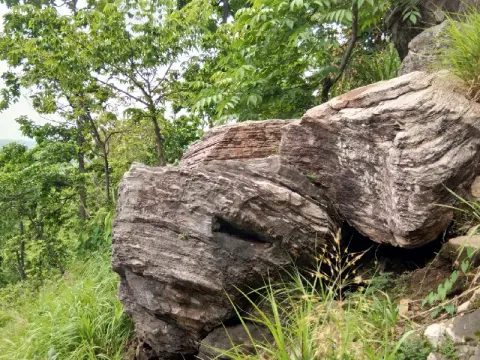
Susunia Hill's recorded history stretches back to the 4th century CE, evidenced by rock inscriptions in Brahmi script attributed to King Chandravarman of the Puskarana dynasty. These ancient etchings make Susunia one of Bengal's most significant archaeological sites. Buddhist monks later used the hill's caves as meditation retreats, leaving behind carved stupas and relic chambers.
The region's cultural landscape is shaped by the Santhal people, whose ancestors migrated to these hills centuries ago. Their animist beliefs honour sacred groves (jaher), and their festivals, particularly Sohrai (harvest celebration) and Karam (rain worship), burst with colour, music, and community spirit. Traditional Sohrai wall paintings, created by village women using natural pigments, transform mud homes into galleries of geometric art.
Biharinath holds deep religious significance for Bengali Hindus. Legend claims the temple contains one of the holiest Shiva lingas in the region, drawing thousands of pilgrims during Shivaratri. The hill becomes a stream of devotees in saffron, their chants echoing through the forests as they make the sacred ascent.
Title
History & Culture
Is Background Visible
Off
Location Information Items
Section Title
Top Sights and Experiences
Text Body
Getting There
By Train: Bankura Junction (BQA) is the main railhead, well-connected to Kolkata (3.5 hours), Asansol, and Kharagpur. From Bankura, hire a taxi or take local transport to Susunia (20km) or Biharinath (30km). Alternatively, Chhatna station (6km from Susunia) serves some local trains.
By Road: Bankura is 150km from Kolkata via NH-60 (3.5-4 hours drive). State buses run from Kolkata's Esplanade and Dharmatala terminals. Private cars/taxis offer more flexibility. From Bankura town, auto-rickshaws and shared vans connect to both hills.
Getting Around
Cycle rickshaws and motorcycles dominate village roads. For exploring tribal areas, hire a local guide with transport in Bankura or at tourist lodges. Walking is the best way to experience village life. Most trails and hamlets are accessible only on foot.
What to Eat
Food in this region reflects rural Bengali and tribal Santhal traditions: simple, wholesome, and deeply connected to the land.
Bengali Thali: Rice with dal, sabzi (often pumpkin or bitter gourd), fish curry, and begun bhaja (fried eggplant). Available at local dhabas and tourist lodges.
Santhal Cuisine: Try handia (rice beer), bamboo shoot curry, pitha (rice cakes), and dishes made with forest greens. Usually experienced through homestays or festival meals.
Street Snacks: Bankura town offers jhalmuri (puffed rice snack), ghugni (spiced chickpeas), and singara (samosas) from roadside vendors.
Sweets: Don't miss malpoa (sweet pancakes) and patishapta (coconut-filled crepes), especially during winter festivals.
Responsible Travel
Leave No Trace: Carry all trash back down. Use refillable water bottles.
Respect Tribal Culture: Ask permission before photographing people. Purchase handicrafts directly from artisans.
Support Local Economy: Stay in local lodges, eat at village restaurants, hire local guides. Your spending directly benefits communities.
Protect Nature: Don't disturb wildlife, pick flowers, or damage rock inscriptions. These hills are ecologically and historically precious.
Best Time to Visit
October–February (15–25°C, clear skies) Perfect trekking weather. Cool mornings, comfortable days. Best visibility for summit views. This is peak season, so book accommodation ahead.
March–May (25–40°C, hot and dry) Hot but manageable for early morning climbs. Fewer crowds. Tribal spring festivals add cultural colour.
June–September (25–32°C, monsoon rains) Lush greenery, waterfalls active. Trails are slippery and challenging. Best for photography if you don't mind the adventure.
Best Time: November to January offers ideal conditions, with crisp air, clear skies, and comfortable temperatures.
Title
Things to Know
Is Background Visible
Off
Location Images
Image
Location Banner Image
Image
