A quiet wander through Bengal’s calmest corners
Article Content
Text Body
For years, hustle culture sold us speed as virtue. Faster mornings, quicker meals, longer to-do lists. Eventually, the world hit a wall. People started craving softness — lighting candles for no reason, rediscovering lazy Sundays. This shift toward conscious living speaks of balance and it has started spilling into other areas of life, including travel.
If life no longer needs to be lived at full throttle, why should holidays feel like endurance tests? Enter “slow travel”— the trend quietly becoming a movement.
What is Slow Travel?
Slow travel is a trend that mirrors everything conscious living stands for: being present and immersing oneself in an experience with intentionality. Instead of rushing through ten attractions in two days, travellers stay longer, wander aimlessly and embrace the rhythm of a place.
Slow travel trusts older wisdom: you understand a place by lingering in it. This philosophy has always existed among backpackers and mindful wanderers. Now city folk are realising vacations needn't feel like performance reviews.
Why the popularity?
The popularity didn't emerge from nowhere. Post-pandemic, people want meaningful experiences — stories and connection, not just pretty pictures. They realise holidays shouldn't leave us more exhausted than before we boarded the flight.
Celebrities have nudged the trend along. Actors swap luxury cruises for countryside stays, creators journal from train journeys, wellness gurus spend retreats in tiny towns. Luxury brands and even government tourism boards now offer curated slow itineraries prioritising immersion and the virtues of lingering a little longer.
Ultimately, slow travel isn't about doing less but experiencing more. The best stories rarely come from checklist moments. They come from easy mornings, unplanned conversations over endless cups of tea and discovering a place at its own pace. You stay long enough to learn the local market's smell, catch everyday music and be more than a passerby.
A trend worth slowing down for.
Is it possible to enjoy Slow Travel in West Bengal?
A trip to West Bengal can mean a busy itinerary if you so want — thanks to the unique combination of mountains, rivers, forests, beaches and mangroves on the one hand, heritage and historic buildings, religious sites and cultural experiences on the other.
But the beauty of Bengal is that it allows you to plan your travel just as you prefer. Each place here has hidden corners where time itself takes a breath. An endless list waiting for you to take time out and explore.
Here are but a few examples.
Is Background Visible
Off
Upload Images
Image Caption
Neora Valley’s lush forests — where mist, moss and silence weave their own timeless story. (Picture by Kunal Bhowmik, Wikimedia Commons)
Upload Image
Image
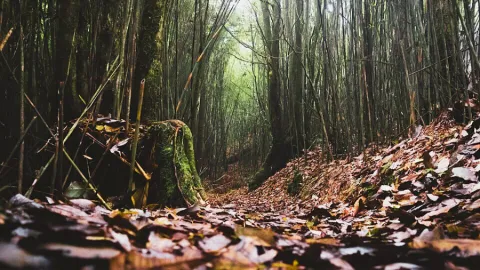
Image Caption
A red panda stands out amidst Neora Valley’s quiet green world.
Upload Image
Image

Image Section Title
Kolakham
Is Background Visible
Off
Images View Mode
Simple
Text Body
Kolakham sits on the edge of Neora Valley, a forest so lush that mornings arrive wrapped in birdsong. The village feels tucked away from the world, the kind of place where mist drifts across the hills as if it has all the time in the world. Its quiet is not empty, but a full and gentle one that encourages you to relax and breathe deeply.
How to go from Kolkata: Take a train or flight to New Jalpaiguri or Bagdogra, then continue by car towards Kalimpong and onward through Lava to Kolakham. Shared jeeps are also available from nearby towns.
Where to stay: Forest lodges and small homestays are the best way to enjoy Kolakham. They are simple, warm and perfect for disconnecting. The Neora Valley Jungle Camp is one such stay option run by the tourism department.
Is Background Visible
Off
Upload Images
Image Caption
Tinchuley’s rolling hills open up to wide mountain views.
Upload Image
Image
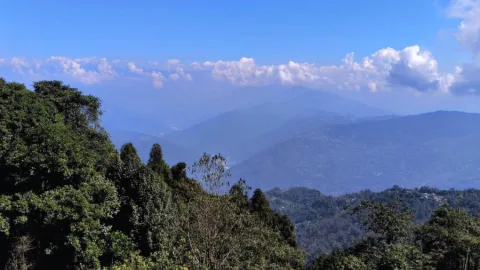
Image Section Title
Takdah and Tinchuley
Is Background Visible
Off
Images View Mode
Simple
Text Body
These twin villages offer a softer side of the Darjeeling hills. In Takdah, moss-covered cottages and an old orchid centre give the village its gentle character. Tinchuley brings hushed trails up mountainsides and sunrise views that locals never grow tired of. Both villages still hold on to an old hill rhythm that invites you to match your pace to theirs.
How to go from Kolkata: Travel to New Jalpaiguri or Bagdogra, then continue by road towards Kurseong or Kalimpong. Local cars carry travellers to both villages.
Where to stay: Charming homestays, tea garden cottages and old colonial-era bungalows let you slow down without trying. Takdah also has the Takdah Club Eco Tourism Centre run by the government's forest department, which could be a good choice for a relaxing stay.
Is Background Visible
Off
Upload Images
Image Caption
Soft mist drifting through Lepchajagat’s pine forests. (Picture by Kunalkrishna008, Wikimedia Commons)
Upload Image
Image
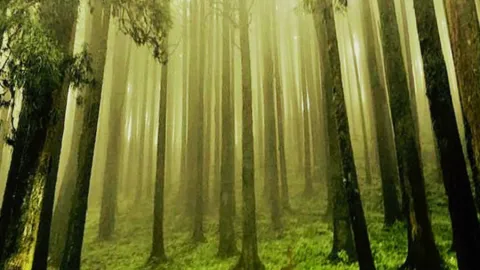
Image Caption
A bright flash of feathers in Lepchajagat’s peaceful forest canopy. (Picture by Shiv's fotografia, Wikimedia Commons)
Upload Image
Image

Image Section Title
Lepchajagat
Is Background Visible
Off
Images View Mode
Simple
Text Body
A tiny forest village near Darjeeling, Lepchajagat, at 6959ft, feels like a quiet doorway into nature. Tall pine forests surround it and on clear days, you get dramatic glimpses of Kanchenjunga that feel almost like a reward for your patience.
How to go from Kolkata: Take a train or flight to New Jalpaiguri or Bagdogra. From there, travel by car upward through tea gardens and forests until you reach the village.
Where to stay: The Lepchajagat WBFDC Forest Bungalow run by the forest department is a perfect option to enjoy comfort and a relaxed stay. There are other homestays and hillside cottages that offer warmth, mountain air and simple food as well.
Is Background Visible
Off
Upload Images
Image Caption
Quiet shores and endless horizons — Henry’s Island at its most peaceful. (Picture by Moutushi.dasgupta, Wikimedia Commons)
Upload Image
Image
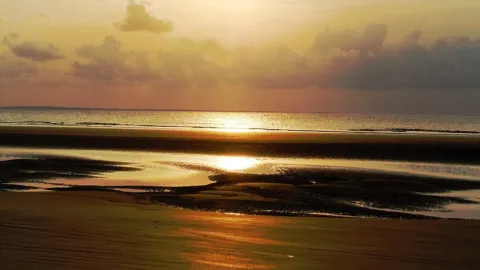
Image Section Title
Bakkhali and Henry's Island
Is Background Visible
Off
Images View Mode
Simple
Text Body
This is coastal slow travel at its purest. Bakkhali offers wide open beaches that stretch far into the horizon, while nearby Henry’s Island brings mangroves, tidal pools and endless rows of red crabs scurrying about like tiny beach guardians. Time moves differently here, softened by the sea breeze and the quiet of nearly empty shores.
How to go from Kolkata: Bakkhali is about a four-hour drive. Travel towards Diamond Harbour, then Kakdwip and Namkhana. After crossing the creek by ferry, continue to Bakkhali. Henry's Island is a short ride from there.
Where to stay: Basic beachside cottages, small hotels, local government accommodations and nature resorts. For a simple and dependable stay, travellers often choose the Balutot Tourism Property run by the tourism department.
Is Background Visible
Off
Upload Images
Image Caption
Red crabs on the march bring Baguran Jalpai's quiet beach to life.
Upload Image
Image

Image Section Title
Baguran Jalpai
Is Background Visible
Off
Images View Mode
Simple
Text Body
One of Bengal’s least talked about beaches, Baguran Jalpai feels like a place time forgot to commercialise. It is perfect for anyone who wants a slow seaside retreat without crowds. There are long casuarina shaded stretches, bright clusters of red crabs, fishing boats resting on sand and a quiet that feels almost therapeutic. It is the kind of place where you can hear the sea before you even see it.
How to go from Kolkata: It takes around four hours by car. Drive towards Kolaghat, continue to Contai and then follow village roads to the coast.
Where to stay: Simple guest houses and small cottages near the beach. Facilities are modest, which adds to the charm.
Is Background Visible
Off
Published on
Article Image
Image
Updated On
Read Time
5-min read
Article Type
Experience
Story
Article Image Caption
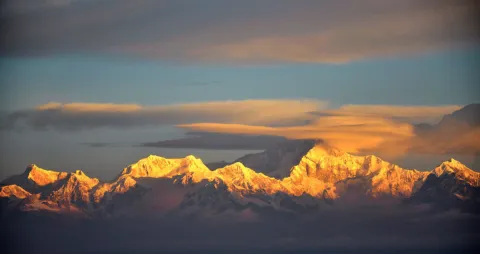
Kanchenjunga’s calm presence captures the essence of unhurried journeys.
Article Videos
Is Background Visible
Off
Upload Video
Display Type
Long Description
Content Family
General Purpose
Image Gallery
Upload Images
Is Background Visible
Off
Images View Mode
Simple
Video Gallery
Is Background Visible
Off
Upload Video
gallery view mode
horizontal
sub title
Slow travel isn't about doing less but experiencing more. Take a journey to these five places in the quiet corners of Bengal that allow you to relax
Detail Page Title
The Magic of leisure travel: West Bengal’s hidden corners for the unhurried
Comments