A culinary map to start your Bengal gastronomic journey
Article Content
Text Body
Much as the adage maachhe bhaate Bangali (roughly translated Bengalis survive on fish and rice) goes, there is infinitely more to Bengali cuisine than just fish.
The bitter-sweet cadence of shukto (a mildly bitter medley of vegetables) to the pungent sting of Shorshe Ilish (hilsa in mustard gravy) or the spicy and aromatic Kosha Mangsho (slow-cooked mutton curry) and, of course, the sweetness of mishti doi (sweet curd), Bengali cuisine tickles every tastebud and satiates every palate.
Is Background Visible
Off
Upload Images
Image Caption
Nothing beats the fluffy luchi and shada alur torkari combination.
Upload Image
Image

Image Caption
Have some piping hot jilipi.
Upload Image
Image
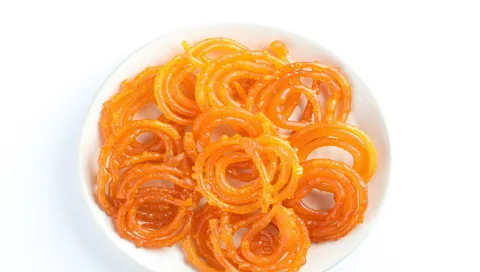
Image Section Title
Start your day with
Is Background Visible
Off
Images View Mode
Simple
Text Body
Luchi or kochuri: These golden fried perfectly fluffy flat breads are served with delicately sweet Chholar Dal (Bengal gram lentils) scattered with bite-size coconut pieces and raisins or the light and comforting Shada Alur Torkari (a white curry of diced potatoes). Variations could include stuffed breads like radhaballavi or dalpuri and a spicy potato slurry with a hint of hing (asafoetida).
Jilipi or bonde: No self-respecting Bengali can end a meal without a sweet dish. Mornings are the best time to try some hot, crunchy and syrupy jilipi (jalebi) or bonde (tiny fried boondis dripping in sugar syrup).
Is Background Visible
Off
Upload Images
Image Caption
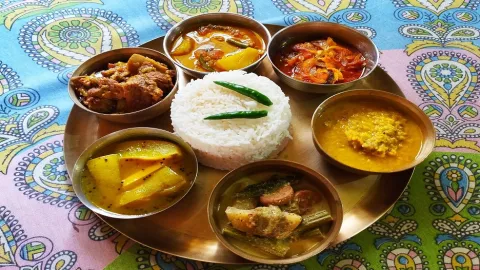
A traditional Bengali lunch is a multi-course meal starting with bitters and ending with sweets.
Upload Image
Image
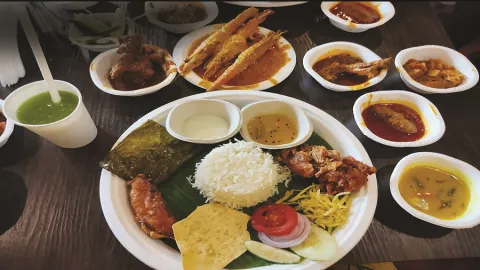
Image Caption
Shukto is a mildly bitter medley of vegetables which tastes best with steaming hot rice.
Upload Image
Image
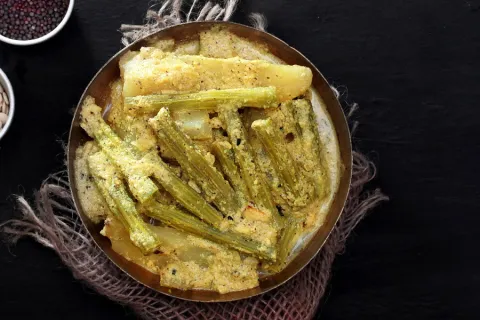
Image Caption
Monsoon is your chance to indulge in tasty hilsa.
Upload Image
Image

Image Section Title
A crash course in Bengali lunch
Is Background Visible
Off
Images View Mode
Simple
Text Body
A typical Bengali lunch would include at least five courses that cover a wide spectrum of flavours and are best had with rice.
Teto or bitter to cleanse the palate: Some simple neem begun bhaja (fried neem leaves and brinjal) or the more iconic Shukto.
Shaak or fried greens: Spinach, amaranth and other greens cooked with simple spices and had with kasundi (mustard sauce).
Dal: Musur (red lentils) or sona moong dal (split moong) with a dash of gondhoraj lebu (a local lime similar to kafir) accompanied by bhaja bhuji (fritters) such as jhuri alu bhaja (crisply fried potato shavings) or beguni (brinjal dipped in gram flour batter and fried).
Niramish torkari (vegetables): You would be spoilt for choice between Alu Posto (potatoes cooked with poppy seed paste), Bori Diye Lau Ghonto (bottle gourd cooked with sundried lentil cakes) or Alu Phulkopir Dalna (cauliflower and potato curry).
Chhyachra (seasonal vegetables and leaves cooked with fish head) and muri ghonto (a mishmash of aromatic Gobindobhog rice, fish head and potatoes): A delicious bridge between niramish (vegetarian) and amish (meat and fish items) on the Bengali platter.
Maachh (fish): From a teaser to the real taste — bhetki, hilsa, rohu, pabda, parshe, chitol to name a few, each with its own unique flavour and distinct cooking style.
Murgi (chicken): A simple alu diye murgir jhol (light chicken curry with potatoes) or the Goalando Murgi (named after the ghat from where one boarded vessels in Bangladesh to cross the border to Bengal) or Dakbungalow Chicken (so called as it is famed to be the recipes followed by the chowkidars of dak bungalows and known for the boiled eggs that find pride of place in it) or the more sophisticated Gondhoraj Murgi (chicken cooked with the Bengali equivalent of kafir lime).
Chutney: The meal would end with chutney (kancha aam or green mango in summer and khejur-amshotto or date and sun-dried mango candy or tomato in winter) served with papad.
Sweets: The Sanskrit phrase modhureno samapayet (let it end on a sweet note) goes perfectly with the Bengali principle of mishtimukh (something sweet for your tastebud) to end every meal. The ubiquitous rosogolla apart, there is a wide array of sweets to choose from — sandesh (cottage cheese sweets), Roshomalai (cottage cheese balls in kheer), pantua (the Bengali cousin of gulabjamun) and more
Is Background Visible
Off
Upload Images
Image Caption
Having a steaming cup of tea in the evening is akin to a ritual for Bengalis.
Upload Image
Image
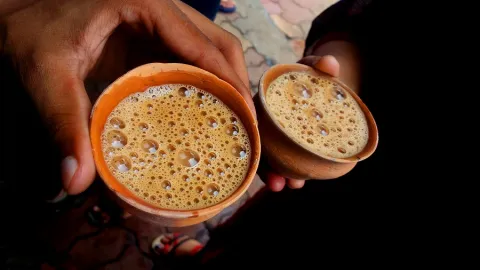
Image Caption
Jhal Muri is a perfect snack, light but packs a punch.
Upload Image
Image
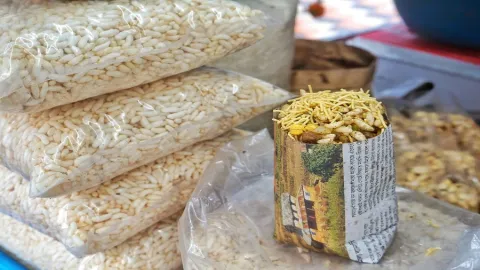
Image Caption
After having phuchka, definitely ask the vendor for a plate of churmur (mashed mix of spiced potato and crunchy semolina balls with tamarind water).
Upload Image
Image

Image Section Title
Tea-time titbits
Is Background Visible
Off
Images View Mode
Simple
Text Body
Tea: Come evening, it’s time for some adda over chaa aar taa (tea and snacks). Have some steaming hot bhanrer chaa (tea served in earthen cups) and singara (fried triangles stuffed with a mix of potato, cauliflower, peas and peanuts), or jhalmuri (puffed rice mixed with onion, green chillies, peanuts and more condiments) and teley bhaja (batter-coated potato, eggplant or onion fritters).
Street food: Evening is also the perfect time to have your try some roadside snacks. Rolls, fish fries and cutlets are a must-try. And of course, phuchka (crisply fried semolina balls filled with a spicy potato mash and dunked in tangy tamarind water) at a streetside stall. And don’t even think of comparing it with golgappa or panipuri because phuchka is definitely the hands-down winner
Is Background Visible
Off
Upload Images
Image Caption
Porota is versatile and can be had with both sweet and savoury delicacies.
Upload Image
Image
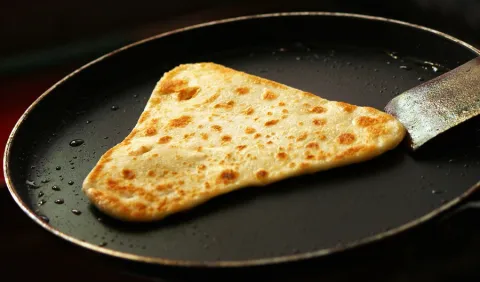
Image Caption
Dhokar Dalna is a perfect alternative for those bored of having only paneer as a vegetarian option.
Upload Image
Image

Image Caption
Kosha Mangsho can be had with pulao or porota, or both!
Upload Image
Image
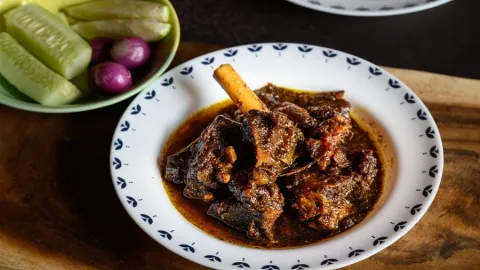
Image Caption
Payesh can be sweetened with sugar or jaggery, depending on the season.
Upload Image
Image
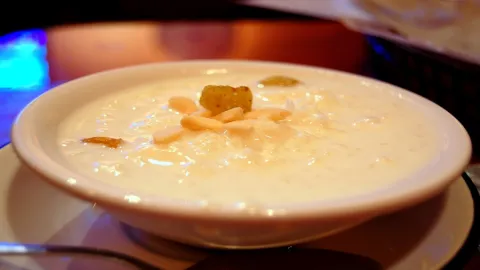
Image Section Title
Before you say goodnight
Is Background Visible
Off
Images View Mode
Simple
Text Body
Dinner would be the perfect occasion to sample the tinkona porota (triangular fried flatbread) with Dhokar Dalna (lentil cakes cooked in a gravy), pulao with Kosha Mangsho and payesh (kheer). If it is winter, definitely try your hand at eating a porota with some jhola gur (molten jaggery).
Finally, walk down to the neighbourhood shop for a paan before you call it a day.
Is Background Visible
Off
Published on
Article Image
Image
Updated On
Read Time
3-min Read
Article Type
Experience
Story
Article Image Mobile
Image
Article Videos
Is Background Visible
Off
Upload Video
Display Type
Long Description
Content Family
General Purpose
Image Gallery
Upload Images
Is Background Visible
Off
Images View Mode
Simple
Video Gallery
Is Background Visible
Off
Upload Video
Summary
What constitutes a typical Bengali meal, be it morning, noon or night? Read on to find out.
gallery view mode
horizontal
sub title
Here's a culinary map to start your Bengal gastronomic journey
Comments