Kolkata’s Hakka Chinese community, whose older Chinatown near Tiretti Bazaar is documented elsewhere, has maintained a second and arguably more vital presence in Tangra since the 1960s, when tanners were relocated here from central Kolkata to move chemical processing away from residential areas. At its peak, Tangra held hundreds of Chinese-run tanneries supplying the city’s leather trade, employing both Chinese and Bengali workers.
The tanneries are now largely closed (1990s-2000s environmental regulation made most unviable) and were relocated again, eastward, to the Calcutta Leather Complex at Bantala, past the wetlands. Kolkata has been relocating its chemistry eastward for a century, and this cluster is where it keeps arriving.
The Chinese-Kolkata population has shrunk for decades through emigration; the community sustaining Tangra’s restaurants, temple and festival life today is likely a few hundred families, not thousands. What survives is not a bustling enclave but a small community maintaining a remarkable inheritance, increasingly staffed by and serving non-Chinese Kolkatans as much as its own. That doesn’t make a visit less worthwhile; you’re watching something that requires active maintenance to survive, in real time.
The restaurants of Tangra Road are the authentic source of “Indian Chinese”: chilli chicken, Manchurian, hakka noodles, hot and sour soup, developed here by Hakka families adapting their cuisine to local ingredients and the Bengali palate over generations. Today’s restaurants range across the full spectrum from the most authentic surviving Hakka cooking to the most elaborate hybrid forms.
Religious life centres on the Choonghee Dong Thien Haue Church, functioning as much as a social club as a temple, so timing matters more than simply showing up. Make time especially for the Chinese Kali Mandir on Matheswartala Road, run by and for the Chinese-Kolkata community, where prasad offered to the goddess includes noodles and chop suey; no more compact statement of the neighbourhood exists. Both sites welcome respectful daytime visitors: remove shoes, keep quiet, don’t photograph altar rituals without permission.
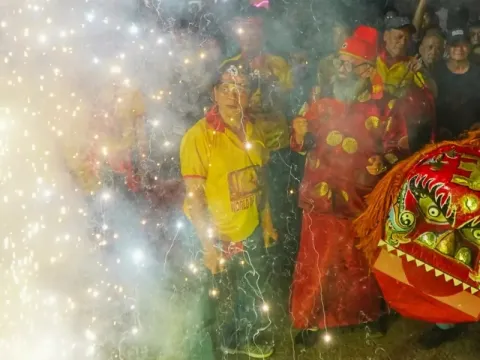
Chinese New Year (January/February) brings dragon dances and a level of communal life visible nowhere else in the year, drawing community members and non-Chinese Kolkatans alike. If your trip coincides, make the effort.
Article Content
Text Body
Is Background Visible
Off
Published on
Article Image
Image
Updated On
Read Time
2
Article Type
Location
Article Videos
Is Background Visible
Off
Upload Video
Content Family
General Purpose
Image Gallery
Upload Images
Is Background Visible
Off
Images View Mode
Simple
Video Gallery
Is Background Visible
Off
Upload Video
gallery view mode
horizontal
action if location
default
Comments