A tranquil escape at the edge of two nations
Location Circuits
Location Interest
Location How Many Days
Location Group
Location Content
Text Body
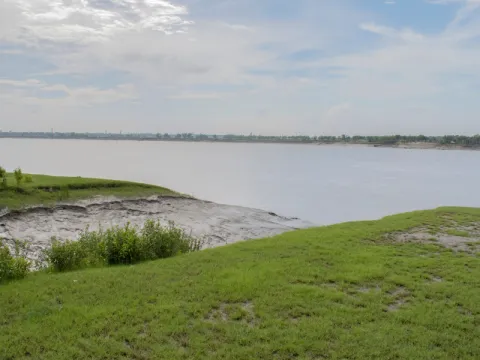
Taki is where the fading grandeur of colonial Bengal meets the gentle, silt-carrying tides of the Ichamati River. It’s a place to stand at the edge of a country and look at both sides of the border. Taki isn’t about doing as much as it is about being. Here, crumbling Rajbaris, emerald paddy fields and boat rides along the invisible line dividing India and Bangladesh create an experience that’s both quietly enchanting and deeply reflective.
Title
History and Culture
Is Background Visible
Off
Location Information Items
Section Title
Top Sights and Experiences
Text Body
Getting There
By Train: Take the Hasnabad Local from Sealdah Station (Kolkata). Time: Approx. 2 to 2.5 hours. Stop: Get off at Taki Road Station. From there, take a Toto (e-rickshaw) to the riverfront (15 mins).
By Car: Kolkata - Barasat - Taki Road - Basithat - Taki. Time: 2.5 to 3.5 hours depending on traffic at the Barasat junction. Road Condition: Mostly decent, but the stretch near Basirhat can be congested and narrow.
What to Eat
The food in Taki is simple, rural and incredibly fresh.
Chanar Malpua: Taki’s claim to fame. Unlike the flour-based versions, these are made of cottage cheese (chana), deep-fried and soaked in sugar syrup.
Where: New Ghosh Mistanna Bhandar or local sweet shops near the Taki Road station.
River Fish: Fresh catches from the Ichamati are a must. Look for Ilish, Parshe, Pabda, Tangra and huge river Prawns (Chingri).
Patali Gur (date-palm jaggery) is another Taki specialty.
Best Time to Visit
Best: October to February is glorious. The air is crisp, the river is calm and the “Nolen Gur” (date palm jaggery) sweets are fresh.
Festive: Durga Puja (October) offers a unique spectacle. On Dashami (the final day), boats from both India and Bangladesh converge on the Ichamati for idol immersion. It is chaotic, emotional and unforgettable. Security and crowd-control are part of the scene. BSF and their counterparts coordinate closely and the “meeting point” on the water is managed rather than free-flowing. That structure doesn’t dull the emotion; if anything, it makes the shared ritual feel even more hard-won.
Avoid: June to September can be muddy and humid, though the river is dramatically full.
Title
Things to Know
Is Background Visible
Off
Location Images
Image
Location Banner Image
Image