A tranquil hill retreat centred around a scenic lakeside setting
Location Circuits
Location Interest
Location How Many Days
Location Group
Location Content
Text Body
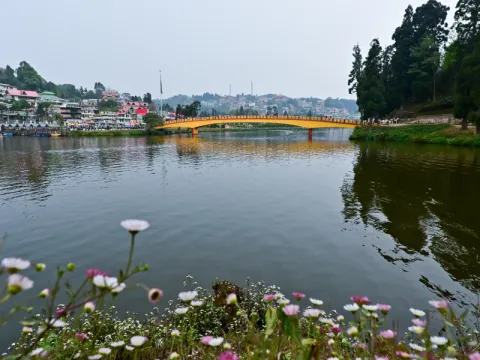
Forget everything you think you know about Darjeeling district. While tourists jostle for selfie spots on Darjeeling's Mall Road and queue for the toy train, barely 50km away lies a hill station that seems to have missed the memo about mass tourism entirely. Welcome to Mirik, where the loudest sound you'll hear is the splash of paddle boats on Sumendu Lake and the whisper of wind through pine forests.
This is the Himalayas at its most unassuming. No colonial-era grandeur or Instagram-famous landmarks here. Instead, Mirik offers something far more precious: the chance to simply breathe. Picture this: you're walking a misty lakeside path at dawn, tea pickers are already at work on the surrounding estates, and somewhere a monastery bell rings across the valley. The peaks of Kanchenjunga emerge from the clouds like a reveal you've earned rather than bought a ticket for.
At 1,767m, Mirik occupies that perfect altitude sweet spot: high enough for crisp mountain air and sweeping views, low enough to skip the headaches and acclimatization anxiety. Its name comes from the Lepcha Mir-Yok, meaning "place burnt by fire," though today the only thing burning is your desire to stay longer than planned.
This is where Bengali families come for quiet holidays, where Nepali shepherds still drive flocks along mountain paths, where monks go about their business largely unbothered by camera-toting visitors. It's not that Mirik is undiscovered (locals will happily tell you it's been a hill station since the 1970s), it's just that it's remained refreshingly, wonderfully itself.
Title
History and Culture
Is Background Visible
Off
Location Information Items
Location item element
Section Title
Top Sights and Experiences
Text Body
Getting There
The nearest major transport hub is Siliguri/New Jalpaiguri (NJP), 52km away.
From NJP railway station or Bagdogra airport (60km):
Shared jeeps (Rs. 100-150, 2.5 hours) depart from Siliguri's Tenzing Norgay Bus Stand throughout the day. The winding mountain road offers spectacular views as you climb.
Private taxi (Rs. 1,500-2,000, 2 hours) offers more comfort and flexibility. Negotiate prices beforehand.
From Darjeeling (48km):
Shared jeeps (Rs. 100, 2-2.5 hours) run regularly from Chowk Bazaar. The scenic route passes through tea estates and forests.
What to Eat
Momos (try the buff – buffalo – version), thukpa thick with noodles and vegetables, and generous plates of chow mein.
Authentic Nepali dal bhat: rice with lentils, vegetable curry, and pickles served with unlimited refills. Simple and satisfying.
Dotted around the lake and bazaar, these humble shacks serve sweet, milky chai with biscuits for Rs. 10-20. Perfect for warming breaks during lake walks.
Most hotels offer multi-cuisine restaurants with standard Indian, Chinese, and Continental fare (Rs. 150-300). Quality varies, but lake-view dining at sunset compensates for culinary limitations.
Best Time to Visit
March to May: The spring months bring warm days (15-20°C) and blooming rhododendrons painting the hillsides crimson and pink. This is peak season, so book accommodation ahead.
September to November: Post-monsoon clarity offers the best Kanchenjunga views. Crisp autumn air and comfortable temperatures make this ideal for walking and outdoor activities.
December to February: Winter brings cold nights (occasionally dropping to freezing) but brilliant blue skies. Pack warm layers and enjoy smaller crowds and lower prices.
Avoid the monsoon months of June to August, when heavy rains trigger landslides and obscure mountain views, though the tea gardens are at their most verdant.
Title
Things to Know
Is Background Visible
Off
Text Body
Pashupati Nagar (16km) This border crossing into Nepal offers a glimpse of another country without formalities. The small bazaar sells Nepali handicrafts and goods, though there's little else to justify the trip beyond saying you've been to Nepal.
Chatakpur (30km) This small village-turned-ecotourism project offers homestays and stunning Himalayan views. A good option for those seeking even greater tranquility and cultural immersion with Lepcha and Sherpa communities.
Title
Nearby Excursions
Is Background Visible
Off
Location Images
Image
Location Banner Image
Image