The Himalayas' quiet alternative to Darjeeling
Location Circuits
Location Interest
Location How Many Days
Location Group
Location Content
Text Body
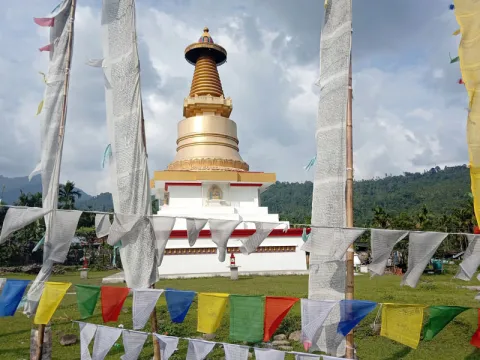
Perched at 1,250 metres on a ridge between the Teesta and Relli rivers, Kalimpong is West Bengal's best-kept secret. While its famous neighbor Darjeeling draws the crowds, this tranquil hill town offers something more precious: authenticity. Here, Buddhist prayer flags flutter over colonial-era cottages, Tibetan monasteries share space with Gothic churches, and the mighty Kanchenjunga watches over terraced hillsides bursting with orchids and cacti.
The name Kalimpong translates to “Stronghold of King's Minister” in the local dialect, though some believe it derives from Kalibong, a fiber plant abundant in the region. What's certain is that this multicultural town, home to Lepchas, Nepalis, Tibetans, and descendants of British colonials, offers travelers a gentler, more intimate Himalayan experience.
Title
History and Culture
Is Background Visible
Off
Location Information Items
Location item element
Section Title
Top Sights and Experiences
Text Body
Getting There
By Air: The nearest airport is Bagdogra, with direct flights from Delhi, Kolkata, and other metros (routes vary by season). From Bagdogra, it’s roughly a 2.5–4 hour drive (around 75–80 km), depending on traffic and road conditions, with dramatic Teesta Valley views along the way.
By Train: New Jalpaiguri (NJP) railway station is your closest rail connection. Pre-book a shared jeep or taxi from the station to Kalimpong (2.5–3 hours, 67 km).
By Road:
From Siliguri: 65 km, 2.5 hours via Teesta Bridge
From Darjeeling: 55 km, 2.5 hours via scenic Peshoke Road
From Gangtok: 75 km, 3 hours. State-run and private buses connect Kalimpong to Sikkim, Gangtok, Kolkata, Darjeeling, and Siliguri. Shared jeeps are faster and more comfortable.
Getting Around
The town itself is walkable, but the main sights (Deolo and Durpin) are on opposite ridges. You'll need to hire a local taxi for a day of sightseeing. “Share-jeeps” (shared taxis) are the main form of public transport for longer routes.
What to Eat
Local & Tibetan: You are in the heart of momo and thukpa country. Gompu's (opposite the police station) is an institution, serving Tibetan, Chinese, and Indian food since the early 1900s.
Café Culture: The town has a surprisingly good café scene. Art Cafe is a local legend, known for its cosy vibe, good coffee, thin-crust pizzas, and delicious homemade cakes.
Must-try dishes
Gundruk, Sinki, Kinema (fermented foods that are very “of the hills”).
Sha Phaley / “Sephale” (local spelling seen in official district material; stuffed fried bread/snack).
Sel Roti (again, a big local staple).
Kalimpong “lollipops” + local biscuits/snacks (often bought as take-home souvenirs: “peda”, “batare”, “khajur”, etc.).
Shopping
What to Buy
Handicrafts & Textiles: Tibetan thangkas (Buddhist paintings), handwoven woolen items, and carpets. Browse shops along Rishi Road.
Cheese: Kalimpong Cheese is crumbly, slightly tangy. Available at Lark's on D.B. Giri Road. Pairs perfectly with local honey.
Tea: While Darjeeling gets the fame, Kalimpong estates produce excellent tea at better prices. Sample before buying.
Spices: The region is well known for quality spices like cardamom, ginger, and turmeric. Buy fresh from market vendors.
Plants & Seeds: If you're a gardener, the nurseries sell orchids, cacti, and seeds. Check customs regulations for international travel.
Best Time to Visit
Like its neighbours, Kalimpong is best visited during two windows:
Spring (March - May): The weather is pleasant, and the famous flower nurseries are in full, glorious bloom.
Autumn (October - November): The monsoon has cleared the air, offering the crispest, clearest, and most reliable views of Kanchenjunga.
Title
Things to Know
Is Background Visible
Off
Location Images
Image
Location Banner Image
Image