Five addresses that shaped India's independence
Article Content
Text Body
Long before 1947, some Kolkata landmarks were already writing history.
From revolutionary hideouts to colonial strongholds, some city addresses witnessed India's struggle for freedom up close.
Here are a few such historic sites which carry stories worth remembering.
Is Background Visible
Off
Upload Images
Image Caption
Subhas Chandra Bose's ancestral home and the site of his infamous 1941 Great Escape. It is now a museum open to the public, with even his getaway car on display.
Upload Image
Image
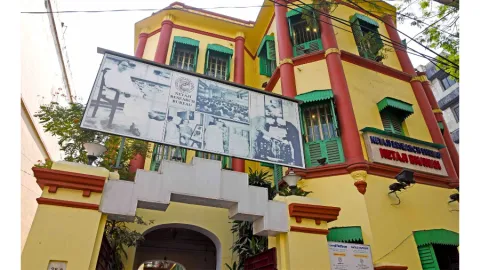
Image Section Title
Netaji Bhawan, Elgin Road
Is Background Visible
Off
Images View Mode
Simple
Upload Images
Image Caption
This was where freedom fighters, including Aurobindo Ghosh and Netaji, were imprisoned. This has also been converted into a museum to pay tribute to the martyrs.
Upload Image
Image
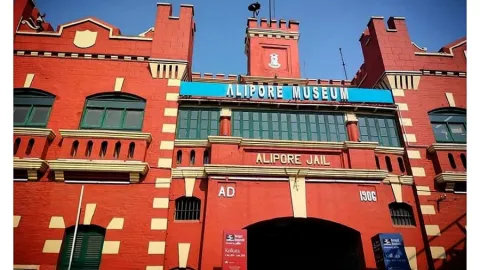
Image Section Title
Alipore Jail
Is Background Visible
Off
Images View Mode
Simple
Upload Images
Image Caption
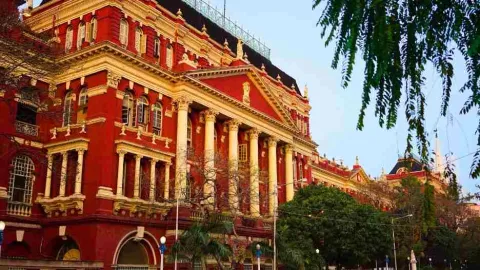
Originally built as a residence for junior clerks “writers” of the East India Company, this was centred strategically within the colonial administrative district. It, thus, became the site of the 1930 action by Benoy, Badal and Dinesh during the fight for freedom.
Upload Image
Image
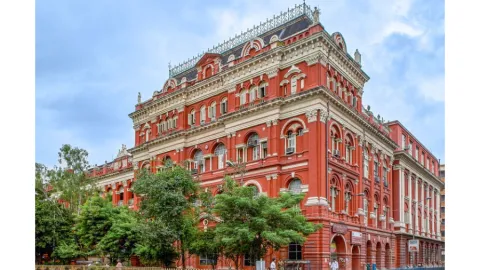
Image Section Title
Writers' Buildings, BBD Bagh
Is Background Visible
Off
Images View Mode
Simple
Upload Images
Image Caption
This was a historic centre of the student nationalist movement. Its proximity to intellectual hubs, such as Calcutta University, Presidency College and Indian Coffee House, ensured it was thrumming with nationalist fervour. (Picture by Biswarup Ganguly, Wikimedia Commons)
Upload Image
Image
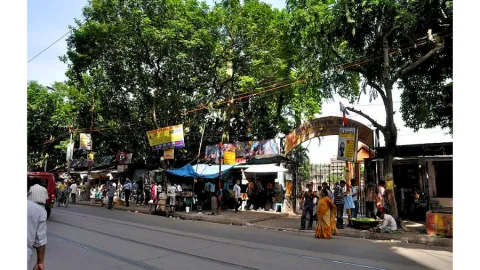
Image Section Title
College Square
Is Background Visible
Off
Images View Mode
Simple
Upload Images
Image Caption
Rabindranath Tagore’s ancestral home was a hub of Bengal’s cultural awakening and many nationalist meet-ups. It is now home to the Rabindra Bharati Museum, which has Tagore’s original artefacts on display for the public.
Upload Image
Image
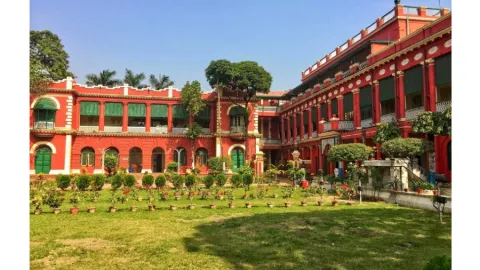
Image Section Title
Jorasanko Thakurbari
Is Background Visible
Off
Images View Mode
Simple
Published on
Article Image
Image
Updated On
Read Time
2-min
Article Type
Experience
Story
Article Image Caption
(Picture by Jan Bockaert, Wikimedia Commons)
Article Videos
Is Background Visible
Off
Upload Video
Content Family
General Purpose
Image Gallery
Upload Images
Image Caption
Subhas Chandra Bose's ancestral home and the site of his infamous 1941 Great Escape. It is now a museum open to the public.
Upload Image
Image
Image Section Title
Netaji Bhawan, Elgin Road
Is Background Visible
Off
Images View Mode
Simple
Video Gallery
Is Background Visible
Off
Upload Video
gallery view mode
horizontal
sub title
From a jail cell to a poet's home, five city addresses where India's freedom was fought for
Detail Page Title
Where history was made: Kolkata's freedom-era landmarks
action if location
default
Comments