The classic Bengali beach holiday, reimagined
Location Category
Location Circuits
Location Interest
Location How Many Days
Location Group
Location Content
Text Body
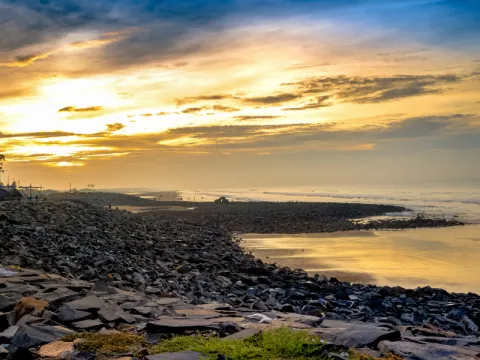
It’s frantic, it’s salty, and it’s undeniably iconic. For generations of Bengalis, Digha has been the default answer to the question, “Where shall we go this weekend?” Split into two distinct personalities, the eroding, nostalgic charm of Old Digha and the sprawling, neon-lit sands of New Digha, this coastal town offers a chaotic but charming escape from the grind of Kolkata. While it may lack the turquoise waters of the Andamans, it makes up for it with shallow, swimmable waves, endless fried fish stalls, and a festive atmosphere that never really sleeps.
The beaches here offer a rare combination of accessibility and authenticity. Unlike more commercialized Indian beach towns, Digha retains an unhurried charm. Golden sands stretch for kilometres, the sea remains relatively calm, and the overall vibe is one of relaxation rather than frenzy. The region is also a birdwatcher's paradise and an excellent base for understanding Bengal's maritime heritage and culinary traditions.
Title
History and Culture
Is Background Visible
Off
Location Information Items
Section Title
Top Sights and Experiences
Text Body
Getting There
By Train: The most popular route is via Howrah/Kolkata, with regular services to Digha (DGHA). On most trains, the journey clocks in at roughly 3–4.5 hours, making it one of the easiest “leave after breakfast, hit the sea by lunch” trips in Bengal. Book ahead for weekends, winter months, and festival dates, as this route sells out fast when Kolkata decides, collectively, that it’s beach time.
By Road: Digha is approximately 180km from Kolkata. A scenic drive along the Coastal Highway (around 4–5 hours) takes you through villages and farmland. Regular bus services from Kolkata are affordable and comfortable, with both government and private operators offering multiple departures daily.
By Air: Fly into Kolkata and arrange onward transport. No airports serve Digha directly.
Getting Around
Toto (E-Rickshaws): The lifeblood of Digha. They shuttle between Old and New Digha all day, but fares can be seasonal, crowd-dependent, and occasionally optimistic. Ask the price before you sit, look for posted rate charts where available, and don’t be shy about walking 30 seconds to the next toto if the quote feels like a “holiday special.”
Van Rickshaws: Good for shorter distances or carrying luggage.
What to Eat
The local cuisine is firmly Bengali and seafood-centric. Do not miss:
Fresh Fish Curries prepared in mustard oil with local spices, a culinary hallmark. Hilsa (ilish), pomfret, and prawn are specialities.
Seafood Restaurants line the beachfront. Most are casual affairs with plastic chairs and no-frills service, but the food is authentic and fresh. Prices are reasonable.
Street Food abounds: Look for hawkers selling Jhal Muri (spicy puffed rice) with a slice of coconut, and green coconuts (daab) to wash it down.
Local Sweets such as sandesh and rosgolla are available at small shops. Jagannath Temple mahaprasad packets include a peda + a gaja (distributed at huge scale in a state program).
Best Time to Visit
October to March is the sweet spot. Temperatures hover between 15°C and 28°C, the skies are clear, and the sea is calm and inviting. The post-monsoon period (September–October) brings freshness to the landscape and fewer crowds.
Avoid the monsoon (June-August) unless you enjoy dramatic grey skies and being confined to your hotel room (swimming is often banned due to rough seas). December and January see domestic tourist influxes, particularly during holidays.
One more timing tip: The Bay of Bengal doesn’t do “mild drama.” Shoulder months can be gorgeous, but cyclone-season weather systems (especially around late summer/autumn windows) can change plans quickly. So, if the forecast looks twitchy, plan your beach hours conservatively and keep an indoor backup (aquarium, science centre, long lunch) in your pocket.
Title
Things to Know
Is Background Visible
Off
Text Body
Shankarpur (14km): If Digha’s crowds get too much, hire a motorized van-rickshaw to Shankarpur. It’s a working fishing harbour with a far quieter beach. Watch the trawlers come in with their haul.
Talsari Beach (a short hop, roughly 10–16km depending on where you start): technically in Odisha, this beach is reached by crossing a small river backwater (often by boat or walking at low tide). It’s serene, lined with palm trees, and famous for its red crabs.
Chandaneswar Temple (6km): A major Shiva temple just across the border in Odisha. It gets incredibly crowded during festivals (especially Charak Mela), but remains a significant spiritual stop.
Title
Nearby Excursions
Is Background Visible
Off
Location Images
Image
Location Banner Image
Image