Discover royal architecture and the legacy of a princely state
Location Category
Location Circuits
Location Interest
Location How Many Days
Location Group
Location Content
Text Body
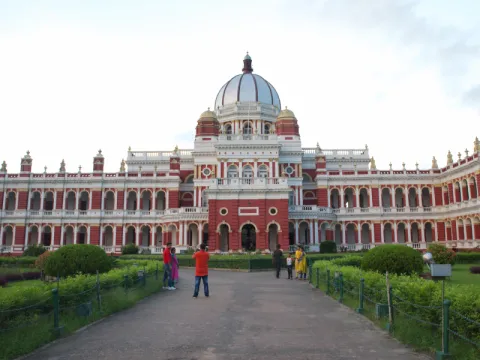
Tucked away in the far reaches of North Bengal, just before the Assam border, Cooch Behar feels like a city dreaming of its past. Once the seat of the princely Koch dynasty, this isn't your typical chaotic Bengali town. It is a place of wide avenues, calm lakes (dighis) and a skyline dominated not by high-rises, but by a palace that looks like it was teleported straight from Renaissance Italy.
While most travellers rush past it on their way to the hills of Darjeeling or the jungles of Jaldapara, Cooch Behar rewards those who hit the brakes with colonial nostalgia, spiritual fervour and a surprisingly laid-back charm.
Title
History and Culture
Is Background Visible
Off
Location Information Items
Section Title
Top Sights and Experiences
Text Body
Getting There
By train: Cooch Behar has excellent rail connectivity. The New Cooch Behar Junction is well-connected to Kolkata (8-10 hours), Guwahati and New Jalpaiguri. The Darjeeling Mail and Kamrup Express are popular options.
By air: The nearest airport is Bagdogra (150 km), about 3.5 hours by road. Cooch Behar also has a small airport with limited flights.
By road: Regular buses connect Cooch Behar to Siliguri, Jalpaiguri and towns across North Bengal.
Getting around
The town is compact and walkable. Cycle-rickshaws and auto-rickshaws are plentiful and inexpensive for short hops. You can hire a bicycle to explore at your own pace.
What to Eat
Cooch Behar's dining scene is modest but offers authentic Bengali and North Indian cuisine.
Local specialties: Try phulko luchi (puffed fried bread) with alur dom (spicy potato curry), chitoi pitha (rice pancakes) and moa (sweetened rice balls).
Other local staples include:
Bhaka/Bhapa Pitha (North Bengal winter rice-cake tradition; Rajbanshi-linked).
Rajbanshi (a prominent indigenous agrarian and martial group) traditional foods: sidol/sukati, panta bhat, etc.
Shutki-based torkari styles (dried fish with mixed vegetables is a very characteristic “delta + north Bengal” flavour).
Raja Bhoj: A reliable option for North Indian and Bengali thalis near the palace area.
Street food: Head to the market area around Sagar Dighi for evening snacks like singara (samosa), jhalmuri (spicy puffed rice) and freshly fried vegetable chops.
Sweets: Don't leave without trying mihidana, a local sweet made from tiny gram flour balls soaked in sugar syrup, available at sweet shops around town.
Best Time to Visit
Best time: October to March. The weather is pleasantly cool and ideal for exploring the palace grounds and town.
Avoid: June to September brings heavy monsoon rains that can disrupt travel plans, though the countryside becomes lush and green.
Festival highlight: Visit during Raas Mela (November/December) to experience the town's largest festival with folk performances, handicraft stalls and cultural programmes.
Title
Things to Know
Is Background Visible
Off
Location Images
Image
Location Banner Image
Image