Art, food and music stalls took over Hindustan Park lanes
Category
Published on
Article Image
Image
Updated On
Read Time
1-min read
Article Type
Story
Article Videos
Is Background Visible
Off
Upload Video
Content Family
Image Gallery
Image Gallery
Upload Images
Image Caption
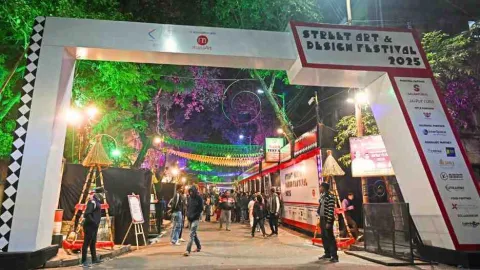
The quiet, leafy lanes of Hindustan Park, affectionately known as Kolkata’s "café para", erupted into a kaleidoscope of colours and rhythm on 27–28 December.
Upload Image
Image
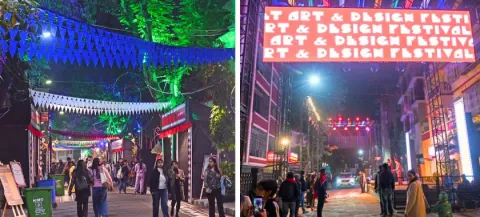
Image Caption
The neighbourhood turned into a living gallery, celebrating the intersection of urban culture and traditional craftsmanship. Art installations were set up in every corner.
Upload Image
Image
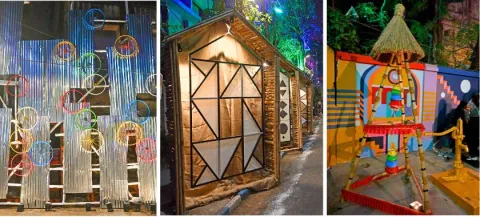
Image Caption
Even the iconic hand-pulled Kolkata rickshaw got an arty upcycle at the Festival.
Upload Image
Image
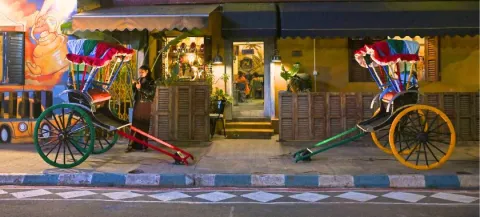
Image Caption
Artists transformed old, weathered brick into murals full of colour and stories, which also served as backdrops to showcase all other forms of art.
Upload Image
Image
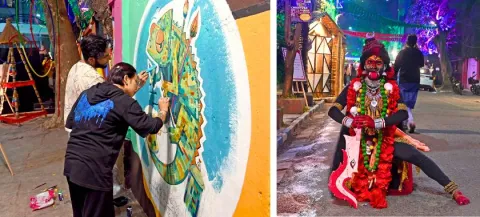
Image Caption
The walls also became a means to offer a nod of respect to several known faces, such as Nabaneeta Dev Sen, who had made Hindustan Park their home.
Upload Image
Image
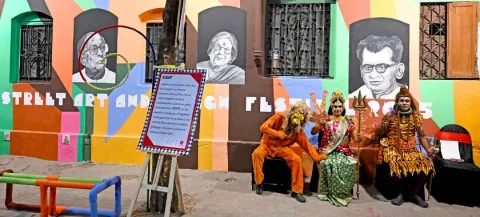
Image Caption
The festival also allowed a massive gathering of local talent and creators to gain a platform to showcase and sell their work. Stalls featured a range of handmade souvenirs and food stalls selling fried delicacies like Gondhoraj chicken pakoras and crispy fish fingers as well as steaming hot momos.
Upload Image
Image
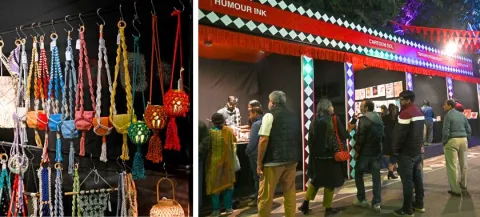
Image Caption
Hand-painted religious and cultural artworks, presenting the traditional craftsmanship of Nadia, were on display at one such stall.
Upload Image
Image
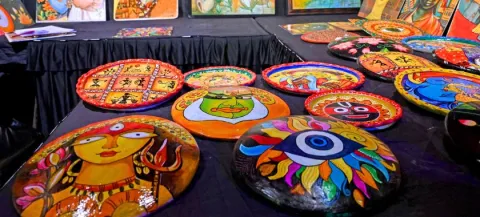
Image Caption
From folk to pop and from visual to performative, the artistic expressions were varied and fascinating. People queued up to get their portraits and caricatures done by artists.
Upload Image
Image
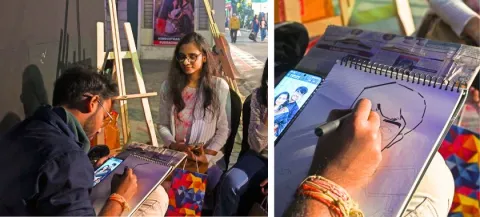
Image Caption
There were stalls showcasing beautifully designed journals and art-led collectibles to posters and key chains.
Upload Image
Image
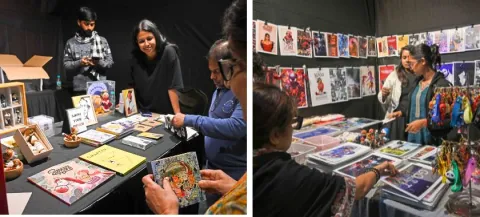
Image Caption
The Festival was far more than a static exhibition. It was a multi-sensory experience that offered something for every type of art lover. The air was filled with the sounds of live music and the energy of dance and theatre performances.
Upload Image
Image
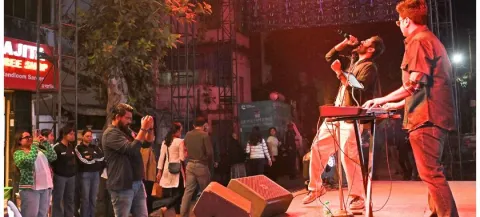
Image Caption
Traditional puppet shows delighted younger audiences.
Upload Image
Image
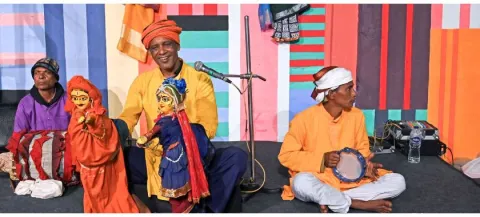
Image Caption
Artists also showcased their art, held workshops and explained techniques to willing listeners.
Upload Image
Image
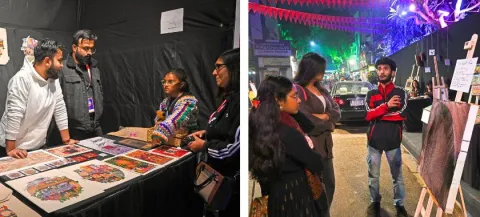
Image Caption
Designers, performers and craftsmen got together to successfully bridge the gap between professional artistry and public space.
Upload Image
Image
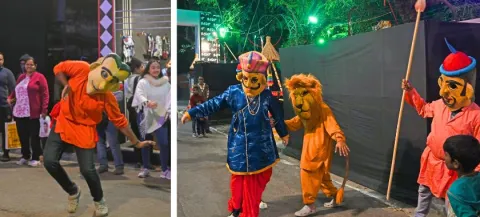
Image Caption
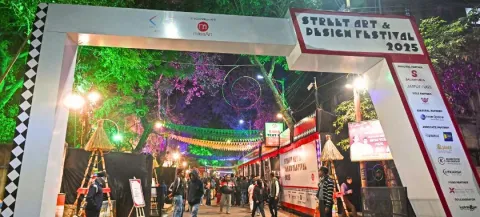
The Street Art and Design Festival 2025 was a reminder that in Kolkata art isn't just found in museums, it lives on the streets.
Upload Image
Image
Is Background Visible
Off
Images View Mode
Simple
Video Gallery
Is Background Visible
Off
Upload Video
Summary
Over the final weekend of December, the quiet, leafy lanes of Hindustan Park, affectionately known as Kolkata’s "café para", erupted into a kaleidoscope of colours and rhythm. The third edition of the Street Art and Design Festival turned the neighbourhood into a living gallery, celebrating the intersection of urban culture and traditional craftsmanship.
Organised by the Kolkata Architecture Foundation in association with massArt, the festival was held on December 27 and 28, drawing crowds eager to witness the city's creative heartbeat.
gallery view mode
horizontal
sub title
Hindustan Park played host for the third edition of this art initiative
Detail Page Title
The Street Art and Design Festival 2025 brought art to South Kolkata's doorstep
Comments