Discover its many ways of getting around
Published on
Article Image
Image
Updated On
Read Time
0
Article Type
Story
Article Image Mobile
Image
Article Videos
Is Background Visible
Off
Upload Video
Display Type
Short Description
Content Family
Image Gallery
Image Gallery
Upload Images
Image Caption
The iconic yellow Ambassador taxi, a legacy of Kolkata's post-Independence era since the 1960s.
Upload Image
Image
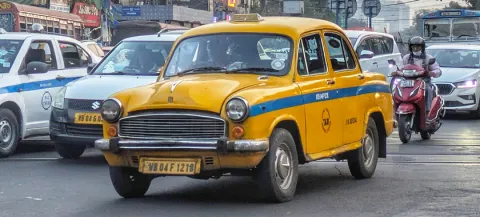
Image Caption
Now a customary sight on Kolkata streets, these iconic red-and-yellow mini buses were introduced in the 1980s to link narrow roads in residential areas of Garia and Jadavpur to BBD Bagh.
Upload Image
Image
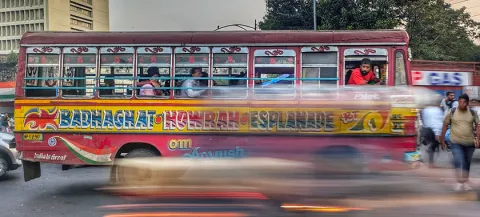
Image Caption
Kolkata's ferry service has been a historic commuter route since the British era. It is also a tourist favourite for its sweeping river views.
Upload Image
Image
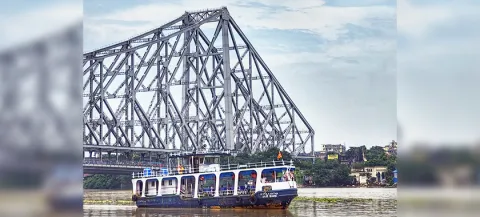
Image Caption
The horse-drawn carriages near the Victoria Memorial/Maidan stretch offer tourists a charming, slow ride, reminiscent of 19th-century colonial-era transport.
Upload Image
Image
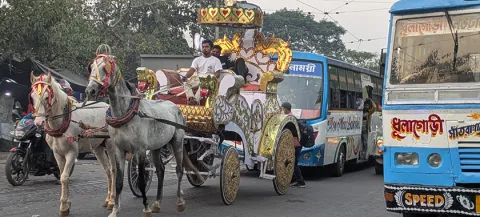
Image Caption
Asia’s oldest tram system, operating since 1873, runs heritage routes like Esplanade–Shyambazar, offering a slow, historical glimpse of Kolkata’s neighbourhoods.
Upload Image
Image
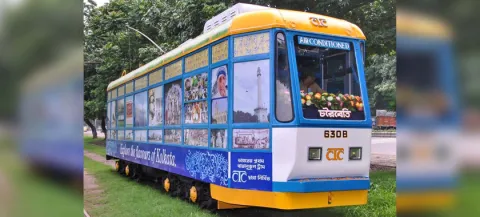
Image Caption
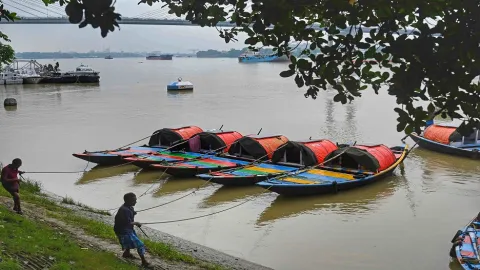
Scenic boat rides on the Hooghly river (near Prinsep Ghat) make for relaxing trips, perfect for enjoying the sunset and picturesque views of Kolkata's iconic riverside landmarks.
Upload Image
Image
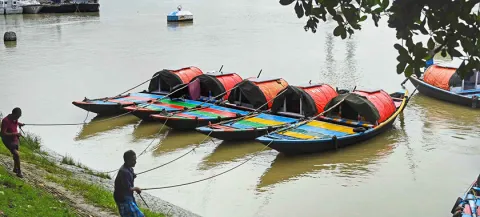
Image Caption
Traditional hand-pulled rickshaws, mostly found in north Kolkata’s narrow lanes and markets, offer cheap last-mile transport in areas inaccessible to other vehicles.
Upload Image
Image
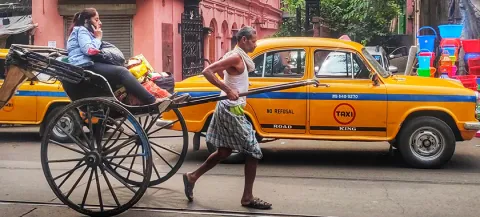
Image Caption
Crowded local trains from Howrah, Sealdah and Kolkata stations carry millions daily across routes like Sealdah–Naihati, Howrah–Bandel and Kolkata–Diamond Harbour.
Upload Image
Image
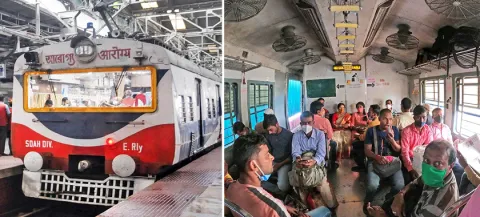
Image Caption
India's first underground Metro was inaugurated in 1984 in Calcutta. Today, it continues to provide air-conditioned comfort along North-South (Dakshineswar-New Garia) and East-West (Howrah-Salt Lake) corridors and includes an underwater stretch too.
Upload Image
Image
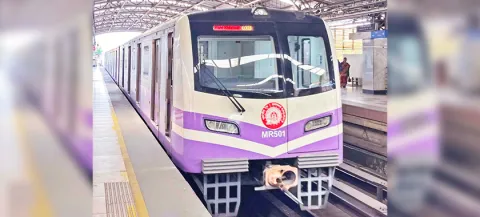
Image Caption
Spread across multiple routes, Kolkata autorickshaws are the quickest and most frugal way to get to a destination within the city.
Upload Image
Image
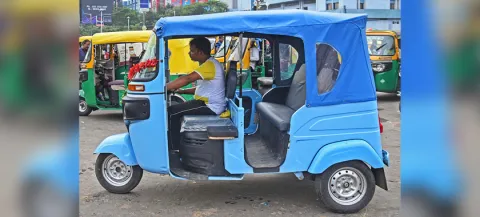
Image Caption
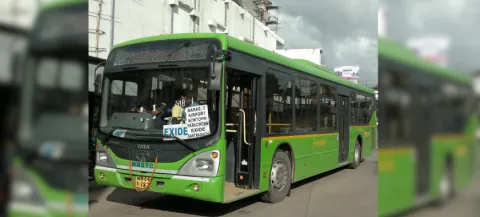
From Sector V's IT hub to Chandni's bustling lanes, Kolkata's modern buses have been traversing 348 routes since 2014 (AC) and 2018 (electric), weaving comfort and sustainability into the city's fabric.
Upload Image
Image
Is Background Visible
Off
Images View Mode
Modal
Video Gallery
Is Background Visible
Off
Upload Video
gallery view mode
horizontal
sub title
Discover the many ways of getting around the city
Detail Page Title
Riding through Kolkata: Trams, ferries, hand-pulled rickshaws and more
Comments