The colourful bazaar beneath the iconic Howrah bridge beckons all
Article Content
Text Body
Mullick Ghat Flower Market wakes up as early as 4am under the shadow of the Howrah bridge. The best time to visit is between 5am and 7am when the chaos blooms in full swing with crowds haggling and buyers jostling for space with sellers. The frenzy settles by around 7am but the market remains open through the day, though everyday sellers trickle out. By 11am, only stragglers and wilting petals are left behind.
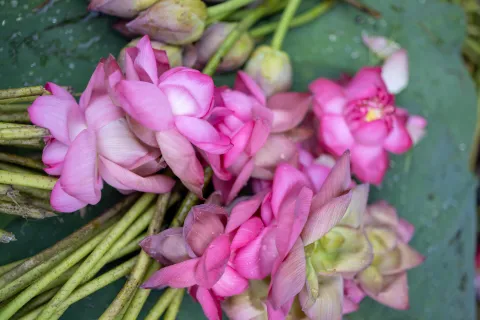
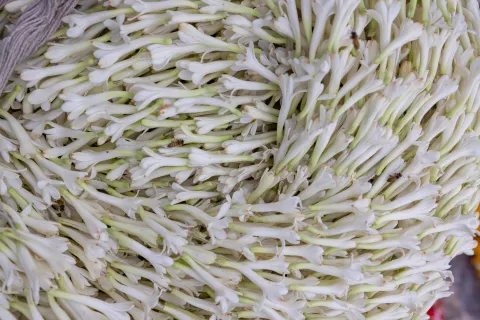
This isn’t a meadow of blossoms, but a market alive with chaos. The Mullick Ghat flower market allows you to be a part of an immersive cultural experience where commerce and community converge. Narrow, slippery lanes overflow with heaps of marigolds, roses and lotuses, the floor carpeted in petals and damp earth. The air is thick with the scent of jasmine and marigold, mixed with sweat and river breeze. It is overwhelming, chaotic and completely irresistible. For first-timers, this is your crash course into Kolkata’s beating heart. The market sits just below the Howrah bridge on the eastern bank of the Hooghly river. It is a 10-minute walk from Howrah railway station or a 15-20 minute cab ride from Esplanade, depending on traffic.
Is Background Visible
Off
Upload Images
Upload Image
Image
Is Background Visible
Off
Images View Mode
Simple
Text Body
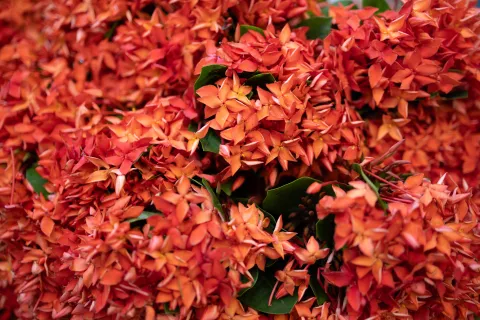
Mullick Ghat flower market is more than Kolkata’s daily carnival of petals. Dating back to the 1850s, it is Asia’s largest wholesale flower market and one of the oldest in India, with over two thousand sellers trading an estimated two million flowers each day. Sitting beneath the Howrah bridge, it doubles as a commercial hub and one of Kolkata’s most photographed landmarks.
Is Background Visible
Off
Upload Images
Upload Image
Image
Is Background Visible
Off
Images View Mode
Simple
Text Body
Blooms travel across India and abroad to cities like Amsterdam, Dubai and Auckland. Flowers also travel to Kalighat and Dakshineswar temples, while the market’s raw energy has made it a fixture in films, documentaries and on global travel shows.
Some vendors arrive at dawn as daily commuters, while others set up the night before to claim a corner of the market. Many travel from towns like Burdwan, Chandannagar and Khirai — Bengal’s flower valley — with sacks of blooms on crowded trains, ready to trade in Kolkata’s frenzy. Some have been here for decades, inheriting stalls from fathers and grandfathers. One middle-aged seller, his fingers stained deep from twisting hibiscus garlands, laughed as he said, ‘This market raised my children.’ For many, the market is both inheritance and survival. You can engage with the vendors to find out more about the market.
Deals unfold at remarkable speed, often sealed with little more than a nod or a raised hand. Temple priests scoop up hibiscus garlands for goddess offerings, wedding decorators negotiate for mountains of marigolds and neighbourhood florists buy bundles to resell. Corporate buyers weave through the crowd in pressed shirts, placing bulk orders on their phones. Each exchange, quick and purposeful, is part of the unseen choreography that keeps the market buzzing and reveals the city’s daily devotion to flowers.
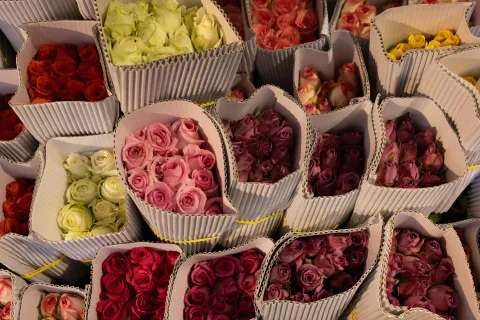
At Mullick Ghat, flowers are sold in bulk, making them cheaper than in retail markets. Marigolds range from Rs 30 to Rs 150 per kilo, roses from about Rs 150 to Rs 250 per kilo and sunflowers between Rs 20 to Rs 40 per stem. Prices fluctuate daily with supply and demand, especially shifting between regular days and festive seasons.
Is Background Visible
Off
Upload Images
Upload Image
Image
Is Background Visible
Off
Images View Mode
Simple
Text Body
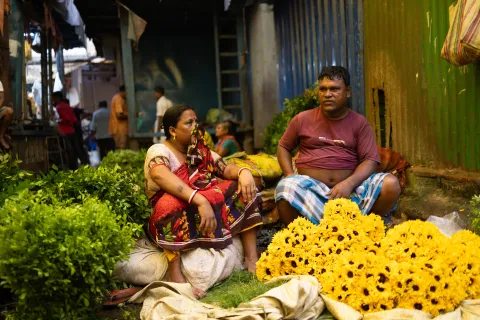
Look closely and you will spot whole families running stalls. Many women sit cross-legged on tarps, stringing marigolds at impressive speed, then switch to bargaining without missing a knot. It is everyday entrepreneurship in action, visible at nearly every turn. One couple, surrounded by towering bundles of sunflowers, works in easy rhythm: the husband hauling fresh sacks from the truck, the wife tying blooms into neat bunches while bargaining with buyers. The market is home to thousands of such vendors, where craft and hustle never seem to pause.
No market visit is complete without noticing the porters. Barefoot men weave through the lanes with bamboo baskets stacked high above their heads, carrying loads heavier than most could imagine. They are the silent backbone of Mullick Ghat, moving tonnes of flowers from sellers to buyers in a seamless flow. One porter pauses as two women pile their Ganesh Chaturthi purchases into his basket, smiling that they would never manage to carry it all on their own. "Dada is stronger than all of us," one of them jokes, as he strides off with their load balanced like it’s nothing.
Is Background Visible
Off
Upload Images
Upload Image
Image
Upload Image
Image
Is Background Visible
Off
Images View Mode
Simple
Text Body
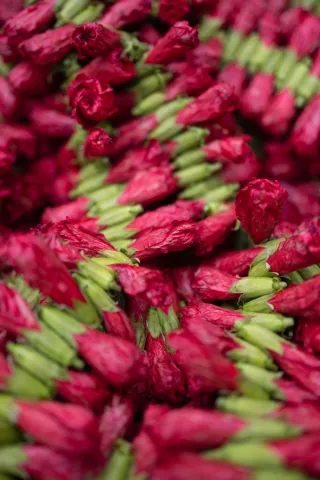
Imagine an artist’s palette tipped over, that’s what walking through Mullick Ghat feels like. Strings of marigolds, heaps of hibiscus, jasmine garlands and bright chrysanthemums spill from cane baskets in a riot of colours. Add the noise of haggling, the smell of incense and the damp floor squelching underfoot and you have true sensory overload. This isn’t just a market, it’s a full-body experience. Photographers should wander past the obvious heaps into narrow lanes where sellers rest on baskets, children nap on tarps and workers weave garlands in quiet focus. Arrive early for light, dodge the slush and dress light but practical.
Is Background Visible
Off
Upload Images
Upload Image
Image

Is Background Visible
Off
Images View Mode
Simple
Text Body
Step towards the river ghat and the market’s noise fades into the rhythm of water. Petals drift along the steps, people stoop to fill bottles and boats knock against the ghats as the steel ribs of the Howrah bridge rise above. The river and the trade feel inseparable here, the damp floor littered with scraps and wilted blooms a constant reminder. Quieter than the lanes inside, the ghat offers a brief pause from the market’s frenzy.
Is Background Visible
Off
Upload Images
Upload Image
Image
Is Background Visible
Off
Images View Mode
Simple
Text Body
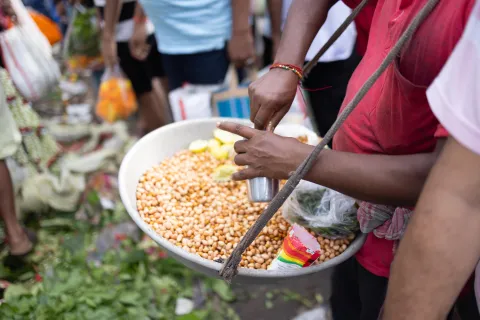
End your walk with a clay cup of hot chai from a stall near the exit, or a handful of peanuts from vendors weaving through the market. Around you, porters rest their backs against baskets, sellers re-tie heaps of flowers for the next round of trade and the scent of marigolds and incense lingers in the air. If you still have time, circle back for a small garland to carry the market’s fragrance into the rest of your day.
Is Background Visible
Off
Published on
Article Image
Image
Updated On
Read Time
7 minutes
Article Type
Experience
Story
Article Image Mobile
Image
Display Type
Short Description
Content Family
General Purpose
Image Gallery
Upload Images
Is Background Visible
Off
Images View Mode
Simple
Video Gallery
Is Background Visible
Off
Upload Video
gallery view mode
horizontal
sub title
The bazaar beneath Kolkata’s iconic Howrah bridge beckons with its vibrant colours, intoxicating scent of flowers and captivating chaos
Comments