Kolkata’s theatre venues offer an alternative way to explore the city
Article Content
Text Body
West Bengal has always been synonymous with all things culture. From thriving folk traditions to avant garde performative ones, it has been the nurturer of the arts. It is not surprising then, as the birthplace of literary greats such as Rabindranath Tagore, Kazi Nazrul, Girish Ghosh and Sukumar Ray among others, it would continue to be a place that would continue to nurture one of India’s most active and historically rich theatre cultures. With Kolkata as its heartbeat.
While Mumbai’s theatre circuit thrives on contemporary productions and celebrity-driven runs, and Delhi’s scene leans heavily on experimental and institutional spaces, Kolkata offers something rarer: a living theatre culture rooted in history, politics, literature, and community.
This is the home of group theatre, where ideas matter as much as spectacle. The legacy of pioneers like Girish Chandra Ghosh, Shambhu Mitra, and Utpal Dutt continues to shape how theatre is written, staged and watched here. From packed auditoriums in north and south Kolkata to modest community halls hosting late evening performances, the city continues to sustain a deep appetite for live performance.
Renowned theatre groups such as Nandikar, Bohurupee, Chetana, Theatre Workshop, and Padatik continue to stage productions that travel nationally and internationally, while newer troupes experiment with form, language and subject matter.
So, for travellers willing to explore beyond the beaten trail of food trails and colonial architecture, Kolkata’s theatres offer an alternate view of the city's culture. A circuit, maybe without the scale or global visibility of Broadways and West Ends but rich and rewarding nonetheless.
Here is a list of some historic theatre spaces and a few relatively newer venues which have survived fires, redevelopment pressures, political change and shifting entertainment habits to remain active decades after they first opened.
North Kolkata
Is Background Visible
Off
Upload Images
Image Caption
Picture by Pinakpani, Wikimedia Commons
Upload Image
Image
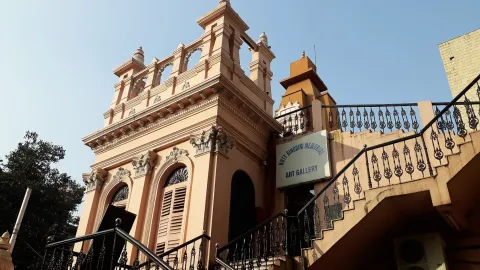
Image Section Title
Star Theatre (Binodini Theatre)
Is Background Visible
Off
Images View Mode
Simple
Text Body
Established in 1883 on Beadon Street and later relocated to Cornwallis Street (now Bidhan Sarani), Star is one of Kolkata’s most historic performance venues and a recognised heritage site. Recently renamed Binodini Theatre in honour of the legendary actress Binodini Dasi, it played a pivotal role in shaping early commercial Bengali theatre and was closely associated with figures such as Girish Chandra Ghosh. It was here, in 1898, that Swami Vivekananda introduced Sister Nivedita to Kolkata.
Location: 79/3/4 Bidhan Sarani (Hatibagan)
Nearest Metro Station: Shobhabazar / Shyambazar
Is Background Visible
Off
Upload Images
Upload Image
Image
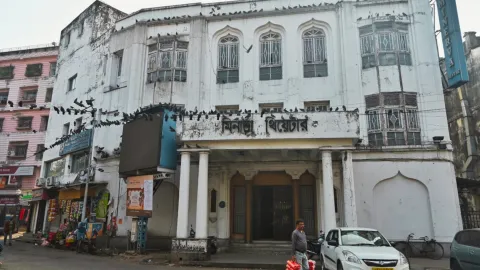
Image Section Title
Minerva Theatre
Is Background Visible
Off
Images View Mode
Simple
Text Body
Minerva Theatre, established in 1893 by Nagendra Bhusan Mukhopadhyaya, is one of the oldest venues in Kolkata. Originally built on Beadon Street, it played a central role in early group theatre, intellectual discourse, and freedom movement era performances. The theatre was completely destroyed by fire in 1922 and later rebuilt and reopened in 1925. Minerva hosted landmark productions by Girish Chandra Ghosh and later iconic plays by Utpal Dutt, including Angar and Kallol.
Location: 6 Abhedananda Road (Beadon Street)
Nearest Metro Station: Girish Park
Is Background Visible
Off
Upload Images
Image Caption
Picture by Pinakpani, Wikimedia Commons
Upload Image
Image
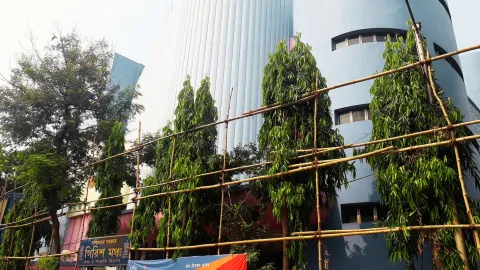
Image Section Title
Girish Mancha
Is Background Visible
Off
Images View Mode
Simple
Text Body
Girish Mancha, named after the father of modern Bengali theatre Girish Chandra Ghosh, was inaugurated in 1986. This state-run auditorium stands as one of the city's most active venues for Bengali theatre, with a robust programming schedule that regularly hosts performances by multiple theatre groups. Located in the heart of North Kolkata's theatre district, this oval-shaped auditorium can seat 909 members. It serves as an accessible platform for both established companies and emerging artists, maintaining the theatrical traditions that Girish Chandra Ghosh helped establish.
Location: 76/1 Bagbazar Street
Nearest Metro Station: Girish Park / Shobhabazar
Central Kolkata
Is Background Visible
Off
Upload Images
Image Caption
Picture by Saradindu Bhattacharyya, Wikimedia Commons
Upload Image
Image
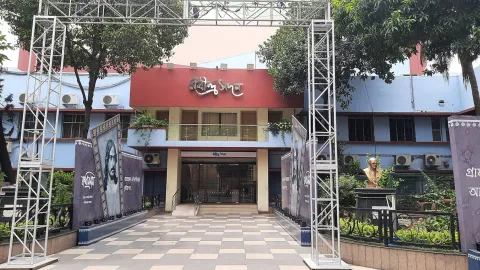
Image Section Title
Rabindra Sadan
Is Background Visible
Off
Images View Mode
Simple
Text Body
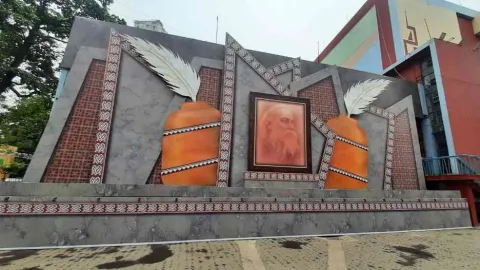
Rabindra Sadan is a landmark cultural hub in south Kolkata, built to commemorate Rabindranath Tagore’s birth centenary. Since opening in 1967, it has served as a central venue for Bengali theatre, recitals, and major cultural events. It is also a key site for the Kolkata International Film Festival and the annual Rabindra Jayanti celebrations. It is part of a larger cultural complex which includes Nandan, Sisir Mancha and the Academy of Fine Arts.
Location: 71 Acharya Jagadish Chandra Bose Road (Cathedral Road junction)
Nearest Metro Station: Rabindra Sadan
Is Background Visible
Off
Upload Images
Image Caption
Picture by Biswarup Ganguly, Wikimedia Commons
Upload Image
Image
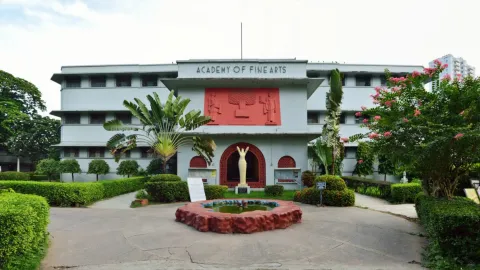
Image Section Title
Academy of Fine Arts
Is Background Visible
Off
Images View Mode
Simple
Text Body
Established in 1933 by Lady Ranu Mukherjee, it is one of India's oldest fine arts institutions and a pillar of Kolkata's cultural landscape. The Academy houses major art galleries alongside a theatre auditorium that became central to the city's group theatre movement. Closely associated with the Bohurupee group and theatre legends like Shambhu Mitra, it is known for iconic productions such as Raktakarabi. It has also hosted the Nandikar National Theatre Festival annually since 1984.
Location: 2 Cathedral Road (adjacent to Rabindra Sadan)
Nearest Metro Station: Rabindra Sadan
Is Background Visible
Off
Upload Images
Upload Image
Image
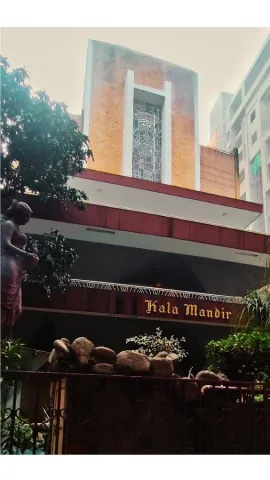
Image Section Title
Kala Mandir
Is Background Visible
Off
Images View Mode
Simple
Text Body
Kala Mandir is a prominent auditorium constructed in the post-1960s era, with its foundation laid by prominent businessman G.D. Birla. It was formally inaugurated in 1968 by Morarji Desai, a former Prime Minister of India. The venue marked its silver jubilee in 1993 and has hosted legendary performers such as Pandit Ravi Shankar and Ustad Zakir Hussain. Today, Kala Mandir functions as a premier cultural space for music, dance, plays, and recitals, and is also a preferred venue for touring talents.
Location: 48 Shakespeare Sarani (formerly Theatre Road)
Nearest Metro Station: Park Street
Is Background Visible
Off
Upload Images
Upload Image
Image
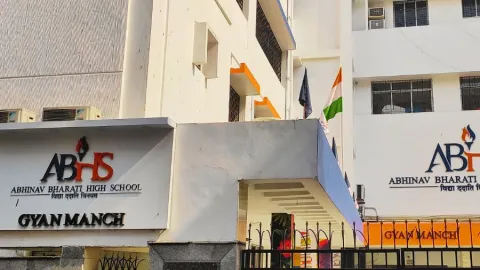
Image Section Title
Gyan Manch
Is Background Visible
Off
Images View Mode
Simple
Text Body
Gyan Manch is a community auditorium that has been used extensively for Bengali theatre, local productions, and cultural events since the 1980s. A regular fixture in city theatre listings, it has been a preferred venue for local troupes and has established itself as a supporter of experimental and contemporary performing arts.
Location: 11 Pretoria Street, Middleton Row
Nearest Metro Station: Park Street
South Kolkata
Is Background Visible
Off
Upload Images
Upload Image
Image
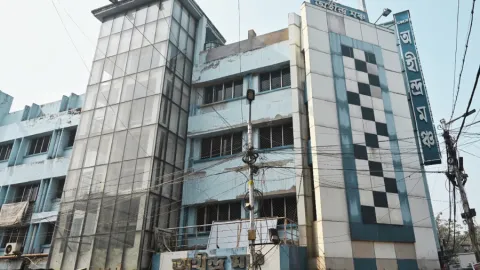
Image Section Title
Ahindra Mancha
Is Background Visible
Off
Images View Mode
Simple
Text Body
Ahindra Mancha is a cultural auditorium in Alipore named as a tribute to theatre stalwart Ahindra Chowdhury and was established as a government initiative to support local performance arts. Originally used for staging plays, it was converted in the mid-1990s into a venue for screening films while still hosting community events. Over the years, the space has served both as a theatre and a cinema hall for local audiences in Kolkata.
Location: 33/33 Chetla Central Road, Alipore (near CIT Market)
Nearest Metro Station: Kalighat
Is Background Visible
Off
Upload Images
Image Caption
Picture by Biswarup Ganguly, Wikimedia Commons
Upload Image
Image
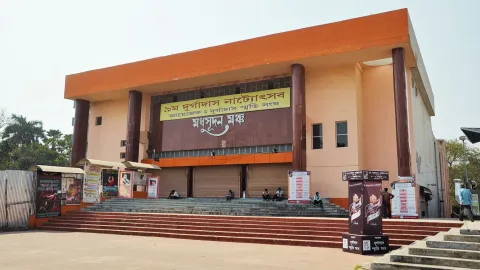
Image Section Title
Madhusudan Mancha
Is Background Visible
Off
Images View Mode
Simple
Text Body
Madhusudan Mancha, named after poet Michael Madhusudan Dutt, was inaugurated in 1995. This modern auditorium features a large stage and serves as a popular performance venue. The space regularly hosts Bengali plays and it is a preferred venue for diverse theatrical programming and cultural events. Since it shares space with the famous Dakshinapan Shopping Complex, it is also a popular hangout or meetup spot.
Location: 2 CV Raman Road, Dhakuria
Nearest Metro Station: Mahanayak Uttam Kumar (Tollygunge)
Is Background Visible
Off
Upload Images
Upload Image
Image
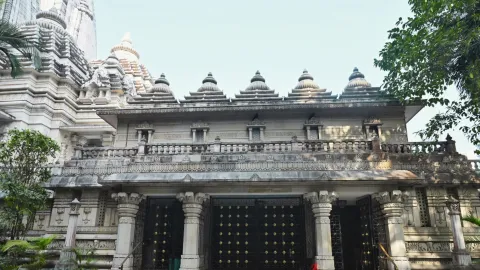
Image Section Title
GD Birla Sabhagar
Is Background Visible
Off
Images View Mode
Simple
Text Body
GD Birla Sabhagar was established in 1984 by Dr K.K. Birla and was originally envisioned as a space for religious and philosophical gatherings before expanding into the arts. The theatre venue is located beneath the Birla Mandir in Ballygunge Phari. It is a well-maintained auditorium known for its emphasis on punctuality and discipline. It hosts everything from lectures and classical music concerts to theatre events such as the Sabhagar Theatre Festival and other contemporary performances.
Location: 29 Ashutosh Choudhry Avenue, Ballygunge
Nearest Metro Station: Kalighat
Is Background Visible
Off
Upload Images
Image Caption
Picture by Saradindu Bhattacharyya, Wikimedia Commons
Upload Image
Image
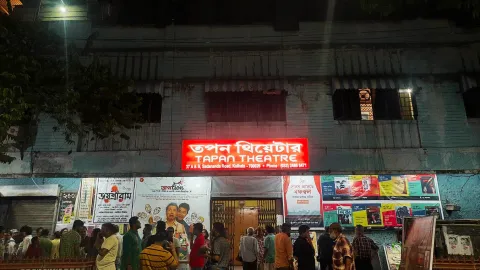
Image Section Title
Tapan Theatre
Is Background Visible
Off
Images View Mode
Simple
Text Body
Tapan Theatre is a privately run venue established in the early 1980s that gained widespread recognition with the long-running play Nahabat, which reportedly ran for more than one thousand nights. After falling into disrepair and closing in 1994, the space was renovated and reopened in November 2004 by the Niva Arts group, restoring it as a proper theatre. These days, it hosts a mix of theatre and cultural programming. In fact, it was the first venue in Kolkata to reopen its stage after the 2020 lockdown with Aneek Group’s production of Pirandello O Puppeteer.
Location: 37 Sadananda Road, Kalighat
Nearest Metro Station: Kalighat
Is Background Visible
Off
Published on
Article Image
Image
Updated On
Read Time
3-min read
Article Type
Story
Article Image Caption
Rabindra Sadan holds a prominent place on the city's cultural map. (Picture by Saradindu Bhattacharyya, Wikimedia Commons)
Article Videos
Is Background Visible
Off
Upload Video
Display Type
Long Description
Content Family
General Purpose
Image Gallery
Upload Images
Is Background Visible
Off
Images View Mode
Simple
Video Gallery
Is Background Visible
Off
Upload Video
gallery view mode
horizontal
sub title
The city sustains one of India’s most active and historically rich theatre cultures. At its core are these irreplaceable venues.
Detail Page Title
A guide to Kolkata's theatre hotspots
Comments