Choice aplenty from meals to street food, snacks and sweets
Article Content
Text Body
If you are vegan and are visiting Bengal, you need not worry about your diet. Bengali cuisine leaves you spoilt for choice with its wide variety of vegetables and non-dairy food.
It’s not for nothing that Kolkata was crowned the most vegan-friendly city by PETA India in 2025. Here’s a sample of what you can pamper your vegan tastebuds with:
Is Background Visible
Off
Upload Images
Image Caption
Mustard oil (sorsher tel). (Picture by Biswarup Ganguly, Wikimedia Commons)
Upload Image
Image
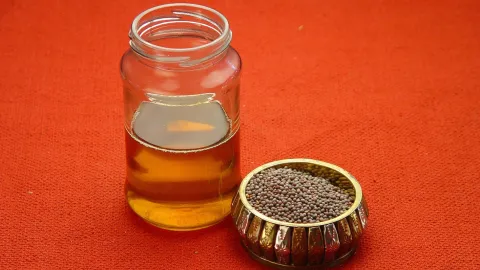
Image Section Title
Cooking medium
Is Background Visible
Off
Images View Mode
Simple
Text Body
Bengali food gets its characteristic taste and edge from the pungency of mustard oil (sorsher tel). Traditionally, most Bengali food is cooked in mustard oil, thus making sure you can avoid ghee or butter.
Is Background Visible
Off
Upload Images
Image Caption
Dhokar dalna (lentil cakes)
Upload Image
Image
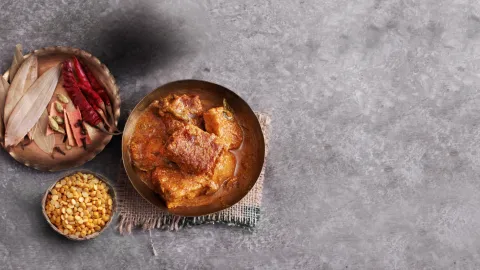
Image Section Title
Staples and lentils
Is Background Visible
Off
Images View Mode
Simple
Text Body
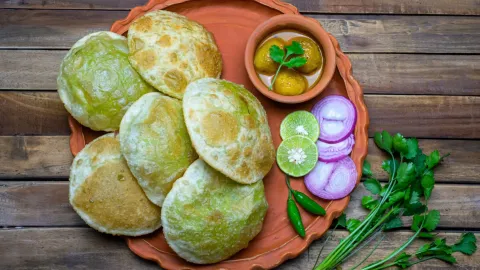
Rice is central to most major meals but there are other plant-based options as well — roti made of whole wheat; paratha, luchi or kochuri made of flour.
A wide variety of dals are part of everyday fare, each seasoned differently to give them a distinct taste. Musoor or moong, chhola, kolai (urad) or arhar — dals are protein-rich and make for a hearty side dish.
Lentil cakes (dhoka) are cooked and eaten in a curry.
Is Background Visible
Off
Upload Images
Image Caption
Shaak (fried leafy greens)
Upload Image
Image
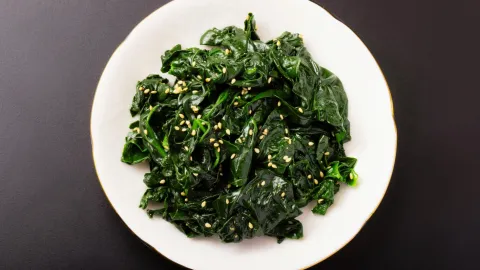
Image Section Title
Vegetables
Is Background Visible
Off
Images View Mode
Simple
Text Body
Bengali cuisine is a celebration of fresh produce, using almost every part of a plant — from roots to flowers and from vegetable peel to leafy greens. Start your meal with teto or bitters — uchhe bhaja (fried bitter gourd) or neem begun (neem leaves fried with brinjal), move on to shaak (fried leafy greens). In the villages, leafy vegetables are often eaten for breakfast with khuder bhat (broken rice).
Vegetable fritters are often served as an accompaniment to dal and rice while bhortas and batas (vegetable mash tempered with spices) add a rustic element to the meal. Vegetable peel is often turned into a paste, seasoned and drizzled with mustard oil or fried — each version a delicacy.
Is Background Visible
Off
Upload Images
Image Caption
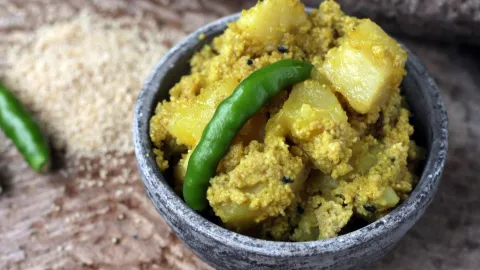
Alu posto (potatoes cooked with poppy seed paste)
Upload Image
Image
Is Background Visible
Off
Images View Mode
Simple
Text Body
Seasonal vegetables are at the heart of a Bengali meal and every vegetable can be cooked in multiple ways to add variety to the plate. For instance, you have potoler dalna (pointed gourd and potatoes cooked in a gravy) or potol sorshe (cooked with mustard paste) to name a few.
The banana plant is a unique example where every part is consumed — banana flower or mocha made into a ghonto (mishmash) or chop, banana stem or thor eaten as ghonto, unripe bananas eaten in curries or as kofta.
The ultimate comfort food in Bengali vegetarian fare is of course alu posto (potatoes cooked with poppy seed paste).
Is Background Visible
Off
Upload Images
Image Caption
Singara (Bengali samosa with a filling of potato, peanuts or cauliflower)
Upload Image
Image
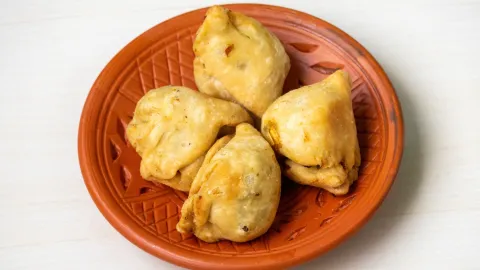
Image Section Title
Teatime snacks
Is Background Visible
Off
Images View Mode
Simple
Text Body
Indulge in vegan options such as alur chop (spiced potato fritters), beguni (brinjal fritters) or peyaji (onion fritters). Singara (Bengali samosa with a filling of potato, peanuts and cauliflowers added in winter) are another favourite.
Chanachur with tea is an integral part of the Kolkata tradition of adda.
Is Background Visible
Off
Upload Images
Image Caption
Ghugni
Upload Image
Image
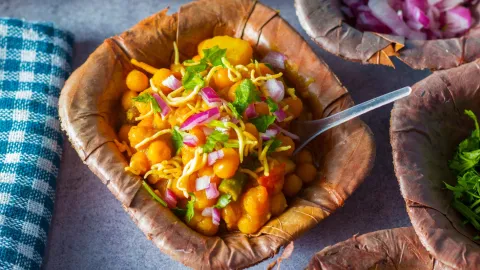
Image Section Title
Street food
Is Background Visible
Off
Images View Mode
Simple
Text Body
If you are in Kolkata, you can’t miss the street food and here too vegans are spoilt for choice. Phuchka – crisp, puffed balls of semolina filled with a spicy potato mash and dipped in tangy tamarind water — you will lose count as you gorge on them.
Jhalmuri, a crunchy mix of puffed rice, peanuts, mustard oil and spices, served in paper cones, is an all-time favourite.
Ghugni — a hearty snack made with yellow peas, spiced and topped with onions, chillies and chutneys — is another healthy and tasty option.
Is Background Visible
Off
Upload Images
Image Caption
Narkel naaru (coconut laddoo)
Upload Image
Image
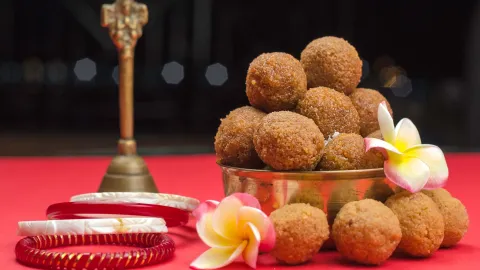
Image Section Title
Sweets
Is Background Visible
Off
Images View Mode
Simple
Text Body
No Bengali meal is complete without sweets. Don’t worry if you have to stay away from chhena sweets, make sure to try sweets made of coconut — narkel or tiler naaru (coconut or sesame laddoo, badam patali (chikki) — or even dal.
During festivals like Poush Sankranti, pithes (made of rice or semolina and stuffed with coconut and jaggery) are a treat. Bengal’s winter specialty, khejur gur (date palm jaggery) is also vegan.
Is Background Visible
Off
Category
Published on
Article Image
Image
Updated On
Read Time
5-min read
Article Type
Experience
Story
Article Videos
Is Background Visible
Off
Upload Video
Display Type
Short Description
Content Family
General Purpose
Image Gallery
Upload Images
Is Background Visible
Off
Images View Mode
Simple
Video Gallery
Is Background Visible
Off
Upload Video
gallery view mode
horizontal
sub title
Choice aplenty from meals to street food, snacks and sweets
action if location
default
Comments